Washing Machine Buying Guide for Indian Homes: Water, Electricity & Real Cost
Buying a washing machine in India looks simple on the surface, but most people realise the mistake only after the first few electricity bills or water tank refills.
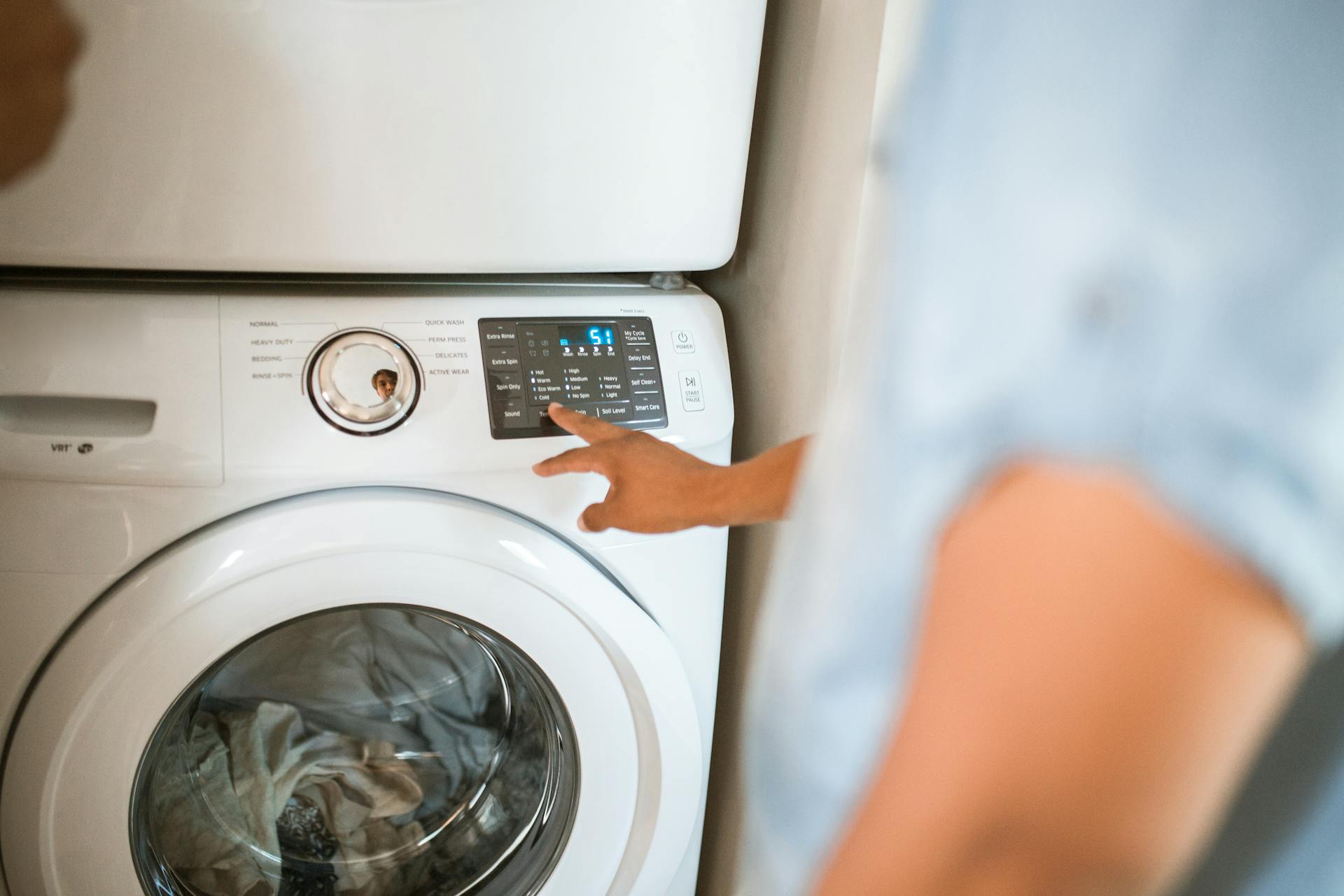
In Indian homes, a washing machine is not just about cleaning clothes. It directly affects monthly electricity cost, water consumption, fabric life, noise levels, and even daily routine. The problem is that most buying advice focuses only on brand names and star ratings, while completely ignoring how Indian households actually use washing machines.That’s why this washing machine buying guide India focuses on real household usage, not brochure promises.
From small flats with limited water pressure to independent houses with borewell supply, washing machine performance changes drastically based on real conditions. Add factors like hard water, frequent power cuts, mixed fabric loads, and daily washing habits, and suddenly the “best” machine on paper may not be the best machine for your home.
This guide breaks down washing machines from a “real Indian household perspective” how much water they consume, how much electricity they actually use, what mistakes buyers regret later, and how to choose a machine that saves money over years, not just on day one.
Why This Washing Machine Buying Guide India Matters More Than Abroad
In many countries, washing machines operate under stable conditions: consistent water pressure, soft water, uninterrupted electricity, and predictable usage patterns. Indian homes rarely enjoy these luxuries.
Water scarcity in summer months, voltage fluctuation, hard water in borewell areas, and the habit of washing mixed loads all place extra stress on washing machines. A poor choice can increase water usage by thousands of litres per month or silently raise your electricity bill without you noticing.
Washing machines fall into the category of daily kitchen appliances that save time, but only when chosen based on real usage, not marketing promises.
What makes this decision even more important is that a washing machine is a long-term appliance. Most Indian families use the same machine for 7 to 10 years. A small mistake at purchase multiplies into higher running costs, frequent repairs, and daily inconvenience over time.
That’s why understanding how washing machines behave in Indian conditions is more important than chasing discounts or brand popularity.
Top Load vs Front Load Washing Machines: What Actually Works in Indian Conditions
The top load versus front load debate is often presented as a simple comparison of price and features, but in Indian homes, the differences go much deeper.
Top load washing machines are generally more forgiving. They handle fluctuating water pressure better, allow you to add clothes mid-cycle, and work well even when water quality is inconsistent. This makes them suitable for homes with borewell water, older plumbing, or irregular water supply.
In many cities, hard water and borewell supply worsen washing performance, similar to other water quality problems in Indian homes, where appliance efficiency drops silently over time.
Front load machines, on the other hand, are designed for efficiency. They use less water and are gentler on clothes, but they demand stable conditions. Hard water can lead to faster detergent residue buildup, and low water pressure can affect wash performance. Without proper maintenance, repair costs can also be higher.
The choice is not about which is “better”, but which matches your household reality.
| Factor | Top Load Washing Machin | Front Load Washing MachineFactor |
| Water consumption | Higher | Lower |
| Electricity usage | Moderate | Lower over time |
| Works with low water pressure | Yes | Not ideal |
| Handles hard water | Better | Needs care |
| Initial cost | Lower | Higher |
| Maintenance cost | Lower | Higher |
| Best for | Indian families, borewell users | City flats, municipal water |
How Much Water Does a Washing Machine Use in Indian Homes?
Water consumption is the most ignored factor while buying a washing machine, yet it affects Indian households more than electricity. In many cities, water is supplied only once or twice a day, while in independent houses, borewell levels drop sharply in summer.
A typical top load washing machine uses significantly more water per wash because it fills the tub completely. This may not feel expensive immediately, but over a month, the difference becomes very noticeable, especially in families that wash clothes daily.
Front load washing machines are designed to tumble clothes with minimal water. They rely on gravity rather than soaking, which drastically reduces water usage. However, this efficiency assumes stable water pressure and clean inlet filters, something not guaranteed in all Indian localities.
If your home already struggles with water availability, choosing the wrong washing machine can silently worsen the problem and increase dependency on water tankers.
Washing Machine Electricity Consumption Per Month in India
Electricity consumption of a washing machine depends less on the motor size and more on how the machine heats water, spins clothes, and manages wash cycles.Just like other electric cooking appliances in Indian kitchens, washing machines are sensitive to voltage fluctuation and inconsistent power supply.
Top load washing machines generally consume more electricity because they rely on longer wash cycles and less efficient motors. However, the difference becomes obvious only with frequent usage.
Front load machines, especially inverter models, are designed to optimise energy use. Over a year, they usually consume less electricity, but the savings are gradual rather than immediate.
For Indian households, the real cost appears when washing frequency increases. A family washing clothes four to five times a week will notice the difference in the electricity bill much faster than a household that washes only once or twice a week.
Understanding this pattern helps buyers avoid disappointment after purchase.
Choosing the Right Washing Machine Capacity for Indian Families
Capacity selection is one of the most common mistakes Indian buyers make. Many people either overestimate their needs or choose a smaller machine to save money, only to regret it later.A smaller capacity machine forces you to run multiple wash cycles, increasing both water and electricity usage. On the other hand, an oversized machine wastes resources when used for small loads.
Indian clothing also differs from Western usage. Heavy fabrics like jeans, bedsheets, towels, and winter wear demand more space and motor strength. Festivals and weddings further increase laundry load temporarily.
Instead of thinking about “number of people”, it’s more practical to consider how often you wash, what type of clothes you wash, and whether you prefer washing everything together or in batches.
Big Washing Machine Mistakes Indian Buyers Realise After Purchase
Many washing machine regrets do not appear immediately. They show up slowly in the form of higher bills, frequent service calls, or daily inconvenience.
Some buyers focus only on star ratings without understanding how those ratings apply to their usage pattern. Others ignore water quality and end up with scaling, detergent residue, or foul odour issues.
Another common mistake is underestimating installation requirements. Front load machines need stable flooring and proper drainage. Without these, vibration and noise become constant problems.
Buying based on discounts rather than suitability often leads to a machine that looks good but does not fit real household needs.
Is Buying a Washing Machine Really Worth It for Indian Households?
A washing machine is not a luxury anymore for most Indian homes, but it is also not a one-size-fits-all solution. For small families, working professionals, and households with elderly members, the convenience and time savings are undeniable.
However, for homes with extremely limited water supply or irregular electricity, a washing machine can become a source of frustration rather than relief it’s true.
The real value of a washing machine lies in choosing a model that aligns with your lifestyle, not in chasing the highest specifications. When selected correctly, it saves time, reduces physical effort, and brings long-term cost efficiency.
Final Thoughts: Choosing a Washing Machine That Actually Fits Indian Life style
The best washing machine for an Indian home is not defined by brand name or discount percentage. It is defined by how well it handles water availability, electricity usage, fabric variety, and daily routines.
Taking time to understand these factors before buying prevents years of unnecessary expense and inconvenience. A well-chosen washing machine quietly becomes part of daily life, while a wrong choice keeps reminding you of the mistake.