
Pressure Cooker Whistle Problem: Causes, Solutions & Safety Tips
A pressure cooker whistle problem is one of the most common issues faced in Indian kitchens. Sometimes the whistle does not come at all, sometimes it is too loud, and in some cases it keeps whistling continuously. These problems can cause confusion, unsafe cooking, and poorly cooked food.
A pressure cooker whistle problem usually indicates an issue with pressure release, gasket condition, or improper usage.
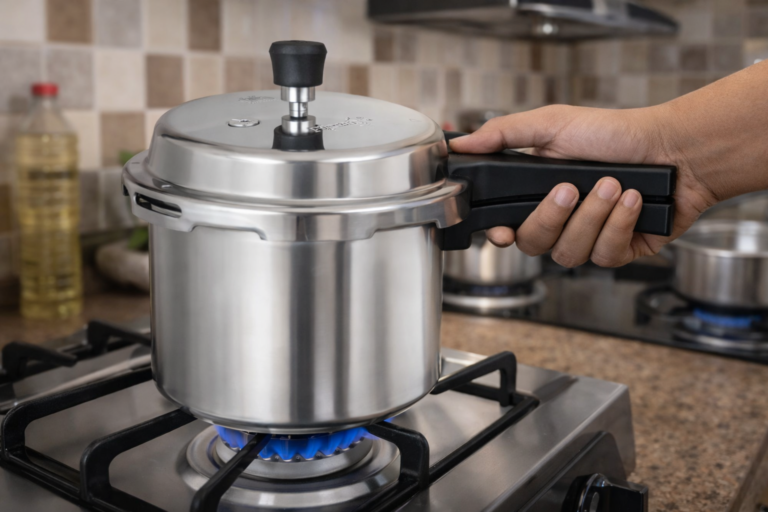
Pressure cookers work by building steam pressure, and the whistle plays an important role in releasing excess pressure safely. When the whistle does not function properly, it can indicate problems with the gasket, valve, lid, or even the cooking method.
In this guide, we explain the common pressure cooker whistle problems, their causes, simple solutions, and important safety tips every Indian household should know.
Why Pressure Cooker Whistle Is Important
The pressure cooker whistle is a critical safety component that helps regulate internal pressure during cooking. Its main function is to release excess steam once the pressure inside the cooker reaches a safe limit. This prevents pressure from building up uncontrollably and reduces the risk of accidents.
In Indian kitchens, pressure cookers are commonly used for cooking dal, rice, vegetables, and meat. These foods require consistent pressure to cook properly and quickly. The whistle ensures that the cooker maintains the right pressure level, allowing food to cook evenly without burning or remaining undercooked.
A properly working whistle also acts as an indicator for the cooking process. The sound of the whistle tells users that pressure has built up and cooking time should be adjusted. If the whistle does not work correctly, it can lead to longer cooking times, excess gas usage, or unsafe pressure levels.
Ignoring whistle-related issues can compromise both cooking results and kitchen safety. This is why understanding the importance of the pressure cooker whistle and maintaining it properly is essential for every Indian household.
Common Pressure Cooker Whistle Problems
Whistle Not Coming at All
When the pressure cooker whistle does not come at all, it usually means pressure is not building properly inside the cooker. This can happen due to insufficient water, a damaged rubber gasket, or a blocked vent pipe.
In many Indian kitchens, food particles and starch residue block the vent, preventing steam from reaching the whistle. This results in longer cooking time and undercooked food.
Whistle Making Too Much Noise
A pressure cooker whistle that makes excessive noise is often a sign of high flame or excessive pressure buildup. This usually happens when the stove flame is kept too high even after pressure is reached.
Loud whistling wastes gas and may damage the whistle or valve over time. Reducing the flame after the first whistle helps maintain safe pressure.
Steam Leaking from Valve
Steam leaking continuously from the valve indicates improper sealing or worn-out parts. A damaged gasket or loosely fitted lid allows steam to escape instead of building pressure.
This problem reduces cooking efficiency and should be fixed immediately to avoid safety risks.
Continuous Whistling Issue
Continuous whistling means steam is escaping without regulating pressure. This is often caused by a hardened gasket or incorrect whistle placement.
Ignoring continuous whistling can increase gas consumption and reduce the lifespan of the pressure cooker.
Pressure Cooker Whistle Not Coming – Causes & Fix
Blocked Vent Pipe
A blocked vent pipe is one of the most common reasons why a pressure cooker whistle does not come. During cooking, starch, dal foam, or food particles can rise and block the vent, stopping steam from reaching the whistle.
This blockage prevents pressure buildup and delays cooking. Regular cleaning of the vent pipe after use helps prevent this problem and ensures smooth whistle operation.
Worn-Out Rubber Gasket
The rubber gasket creates an airtight seal between the lid and the cooker body. Over time, the gasket can harden, crack, or lose flexibility due to heat and frequent use.
When the gasket is worn out, steam leaks from the sides instead of building pressure. Replacing the gasket is a simple and affordable fix that often resolves whistle issues immediately.
Low Water Level Inside Cooker
Pressure cookers need sufficient water to generate steam and build pressure. If the water level is too low, steam production will be insufficient, and the whistle may not come.
Always follow the recommended water quantity for each recipe. Using too little water not only affects whistle function but can also damage the cooker.
Pressure Cooker Whistle Too Loud – What It Means
High Flame and Excess Pressure
A very loud whistle usually indicates that the flame is too high, causing excessive pressure buildup inside the cooker. This is common when the flame is not reduced after the first whistle.
Maintaining a medium or low flame after pressure is reached helps control noise, saves gas, and improves cooking safety.
Improper Whistle Placement
If the whistle is not placed correctly on the vent pipe, steam escapes unevenly and creates loud noise. This can also lead to inconsistent pressure release.
Always ensure the whistle sits properly and is clean before starting cooking. Proper placement helps maintain steady pressure and quieter operation.
Pressure Cooker Whistle Keeps Whistling Continuously
When a pressure cooker whistle keeps whistling continuously, it usually indicates excess pressure buildup inside the cooker. This often happens due to high flame, overfilled cooker, or blocked steam vents. Continuous whistling means the cooker is struggling to regulate pressure properly.
In Indian cooking, foods like dal, rice, and curries release starch and foam, which can clog the vent and cause nonstop steam release. This not only wastes gas but can also affect cooking quality.
Reducing the flame after the first whistle, avoiding overfilling, and keeping the vent clean can help prevent continuous whistling and ensure safer cooking.
Is Pressure Cooker Whistle Problem Dangerous?
Yes, pressure cooker whistle problems can be dangerous if ignored. A faulty whistle may fail to release excess steam, leading to high internal pressure. This increases the risk of lid damage, gasket failure, or sudden steam bursts.
In rare cases, improper pressure release can cause serious kitchen accidents. However, most risks can be avoided by identifying whistle issues early and performing regular maintenance.
Using original replacement parts and following manufacturer guidelines significantly reduces safety risks.
How to Fix Pressure Cooker Whistle Problem at Home
Cleaning the Whistle and Valve Properly
Regular cleaning of the whistle and valve is essential for proper pressure cooker functioning. After cooking, remove the whistle and wash it with warm water to clear oil or food residue.
Use a thin pin or brush to clean the vent pipe carefully. This prevents blockages and ensures steam flows smoothly to the whistle during cooking.
Checking Lid Lock and Alignment
If the lid is not aligned or locked properly, pressure cannot build inside the cooker. Even a slight misalignment can cause steam leakage and whistle problems.
Before placing the cooker on the stove, always check that the lid fits securely and locks into position. Proper alignment improves safety and cooking efficiency.
Replacing Damaged Parts
Parts like the whistle, gasket, and safety valve wear out over time due to heat and regular use. Using damaged parts increases the risk of accidents and reduces cooker performance.
Replacing these parts is inexpensive and easily available. If problems persist even after replacing parts, it is safer to consider replacing the entire pressure cooker.
When to Replace Whistle, Gasket, or Cooker
Over time, pressure cooker parts wear out due to continuous exposure to heat, steam, and pressure. Knowing when to replace the whistle, gasket, or the entire cooker is important for kitchen safety.
The whistle should be replaced if it becomes loose, rusted, cracked, or does not regulate steam properly even after cleaning. A damaged whistle can lead to uncontrolled pressure release or excessive noise during cooking.
The rubber gasket usually needs replacement every 6 to 12 months, depending on usage. If the gasket becomes hard, cracked, stretched, or causes steam leakage from the lid, it should be replaced immediately. A faulty gasket is one of the most common causes of whistle-related problems.
The pressure cooker itself should be replaced if the body is heavily dented, the lid does not lock properly, or safety valves frequently malfunction. Continuing to use an old or damaged cooker increases the risk of accidents. Replacing worn parts on time helps ensure safe and efficient cooking in Indian kitchens.
Safety Tips for Using Pressure Cooker in Indian Kitchens
Safe Flame Control While Cooking
Always start cooking on medium flame and reduce it after the first whistle. High flame throughout cooking increases pressure unnecessarily and may damage the cooker.
Controlled flame not only improves safety but also saves gas and ensures evenly cooked food.
Correct Filling Level for Pressure Cooker
Overfilling the pressure cooker blocks steam movement and increases the risk of whistle malfunction. Most pressure cookers should be filled only up to two-thirds of their capacity.
For foods that expand like rice or dal, filling should be limited to half the cooker capacity to maintain safe pressure levels.
When to Stop Using an Old Cooker
If a pressure cooker is very old, heavily dented, or frequently develops safety issues, it is better to stop using it. Metal fatigue and worn safety mechanisms can increase accident risk.
Upgrading to a new pressure cooker ensures better safety features and reliable performance.
FAQs
Why is my pressure cooker whistle not coming even after long time?
If the whistle is not coming even after a long time, it usually means pressure is not building inside the cooker. Common reasons include a worn-out gasket, blocked vent pipe, insufficient water, or improper lid locking. Checking and cleaning these parts usually solves the problem.
Is continuous whistling dangerous?
Yes, continuous whistling can be dangerous if ignored. It indicates uncontrolled steam release and excessive pressure. This can waste gas, damage cooker parts, and increase the risk of burns. The issue should be fixed immediately.
Can I cook without a pressure cooker whistle?
No, cooking without a whistle is not safe. The whistle helps regulate pressure and prevents accidents. A missing or damaged whistle should be replaced before using the pressure cooker again.
Pressure cooker whistle problem can usually be fixed at home if identified early and handled safely.
Most pressure cooker whistle problem cases in Indian kitchens are caused by gasket wear or blocked steam vents.
Safety Take
Pressure cooker whistle problems are common in Indian kitchens, but they should never be ignored. Most issues occur due to simple reasons such as poor maintenance, worn-out parts, or incorrect cooking practices.
Regular cleaning, timely replacement of gaskets and whistles, and proper flame control can prevent most problems. Understanding how the whistle works helps ensure safe, efficient, and stress-free cooking.
If whistle problems continue despite maintenance, replacing the pressure cooker is the safest decision. Kitchen safety should always come before convenience.
Fixing a pressure cooker whistle problem on time helps prevent accidents and improves cooking efficiency.