Why Non-Stick Cookware Loses Coating Quickly in Indian Cooking
Non-stick cookware is everywhere in Indian kitchens. From frying eggs and making omelettes to cooking dosa, chilla, sabzi, and even shallow frying, non-stick pans promise easy cooking and easy cleaning. Yet a common complaint across Indian households is that non-stick coating starts peeling, scratching, or losing performance far too quickly.
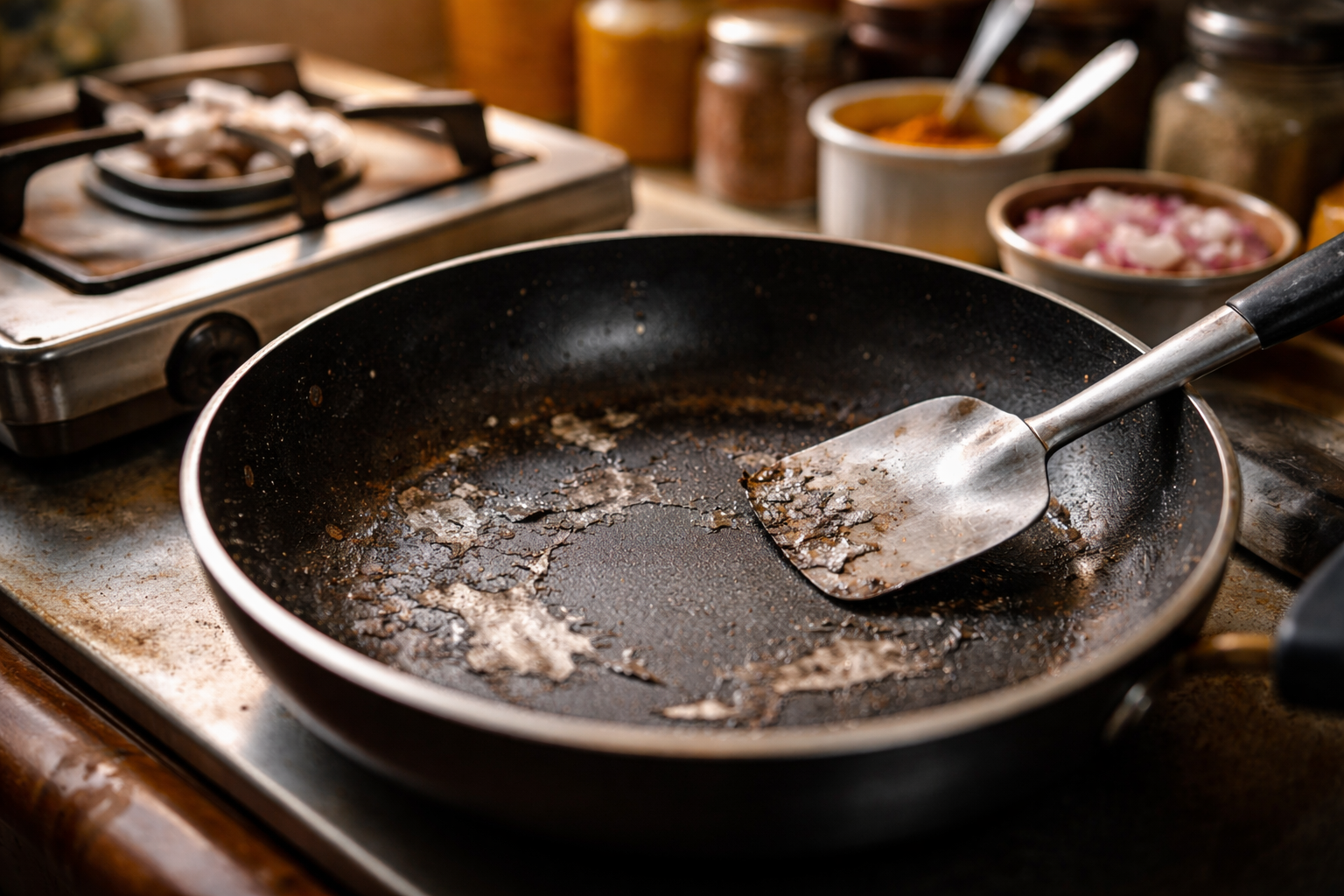
What makes this frustrating is that the cookware often looks fine from the outside. The pan is not cracked. The handle is intact. There is no visible damage except the surface slowly turning dull, sticky, or patchy. Food starts sticking again, oil consumption increases, and cleaning becomes difficult.
Many people blame low-quality brands or assume non-stick cookware is not meant for Indian cooking. While brand quality matters, the real reasons are deeper. Indian cooking habits, heat usage, utensils, cleaning methods, and even the type of food cooked daily play a major role in how fast non-stick coating degrades.
This article explains why non-stick cookware loses coating quickly in Indian cooking, what actually damages the surface over time, and why this problem is far more common in Indian kitchens than most people realise.
How Non-Stick Coating Is Supposed to Work
Non-stick cookware is coated with a thin chemical layer designed to reduce friction between the food and the metal surface. This coating allows food to slide easily, prevents burning, and reduces the need for excess oil.
The coating is not a thick protective shield. It is a delicate layer that works only within a specific temperature range. When used correctly, it can last several years. When exposed to extreme heat, abrasion, or harsh cleaning, it starts breaking down at a microscopic level long before peeling becomes visible.
Most non-stick cookware sold in India is designed based on global cooking assumptions, not Indian daily cooking patterns. This mismatch is where problems begin.
Why Indian Cooking Is Tougher on Non-Stick Surfaces
Indian cooking involves prolonged heat, frequent stirring, and oil-heavy recipes. Even simple everyday dishes like sabzi or dal tadka involve higher temperatures and repeated movement across the pan surface.
In many homes, non-stick pans are used on high flame to speed up cooking. This exposes the coating to temperatures beyond its safe limit. Unlike stainless steel or cast iron, non-stick coating cannot tolerate extreme heat without degrading.
Spices also play a role. Dry masalas, turmeric, chilli powder, and coriander powder are abrasive at a microscopic level. When stirred repeatedly, especially with improper utensils, they slowly wear down the coating.
High Heat: The Biggest Enemy of Non-Stick Cookware
One of the fastest ways to destroy non-stick coating is overheating the pan while it is empty or nearly empty. This is very common in Indian kitchens.
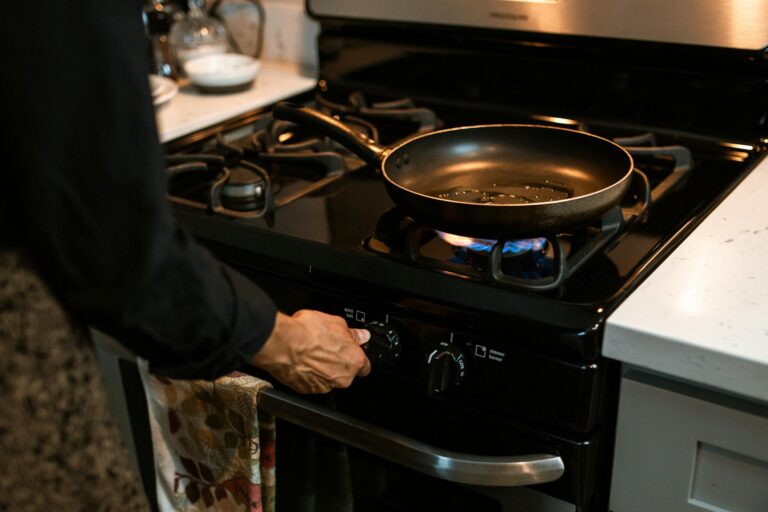
Many cooks place the pan on the stove and wait for it to heat fully before adding oil. On a gas stove or induction cooktop, this causes the surface temperature to rise sharply within seconds. Non-stick coating begins to break down at high temperatures, even if there is no visible smoke.
Repeated overheating weakens the bond between the coating and the metal base. Over time, this leads to bubbling, flaking, or peeling of the surface.
This heat-related damage pattern is similar to what happens in other kitchen appliances that suffer under Indian heat usage conditions.
Why Metal Utensils Ruin Non-Stick Coating Faster Than Expected
Most non-stick cookware packaging warns against using metal utensils, yet this advice is often ignored in Indian kitchens. Metal spatulas, spoons, and ladles are commonly used out of habit or convenience.
Even light contact with metal creates fine scratches that are not always visible immediately. These scratches expose the base material and allow oil, spices, and moisture to seep underneath the coating. Once this happens, peeling accelerates rapidly.
Wooden and silicone utensils reduce damage, but even they can cause wear if used aggressively on a weakened surface.
How Dishwashing Habits Slowly Destroy Non-Stick Coating
In many Indian households, non-stick cookware is cleaned immediately after cooking, often while the pan is still hot. Cold water poured onto a hot pan causes thermal shock. The metal base contracts suddenly, while the coating reacts differently. This stress weakens the bond between the coating and the surface.Another common habit is using hard scrubbers, steel wool, or abrasive cleaning powders to remove stuck food. Even if this is done occasionally, it creates micro-damage that accumulates over time. The coating does not fail in one wash; it deteriorates gradually until food starts sticking again.
Dishwashers also accelerate coating damage. Strong detergents, high water pressure, and prolonged heat cycles strip away protective layers faster than manual cleaning.
Why Induction and Gas Affect Non-Stick Cookware Differently
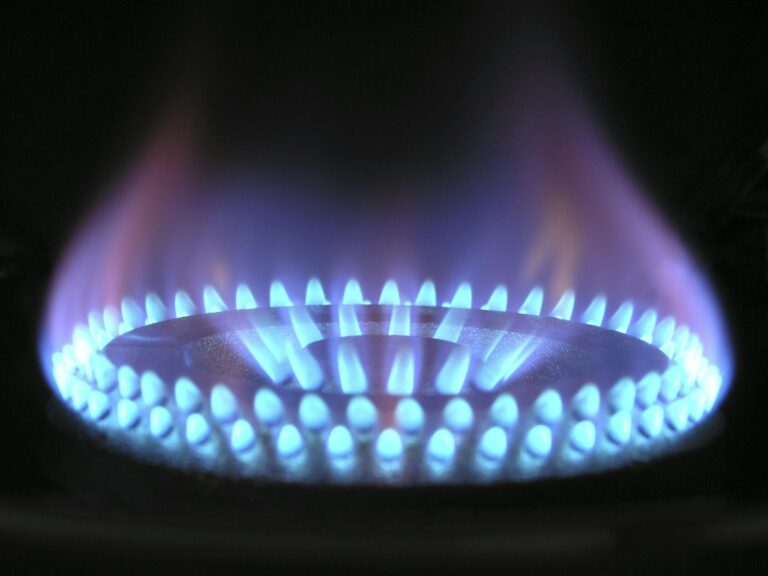
Non-stick cookware behaves very differently on gas stoves and induction cooktops. Gas stoves create uneven heat distribution. Flames concentrate heat at the center, often overheating one area of the pan. This localized heat damages coating faster in the middle, leading to patchy wear.
Induction cooktops heat the pan base directly through electromagnetic energy. While this can be more efficient, it also heats very quickly. Rapid temperature rise without oil or food present causes thermal stress similar to overheating on gas.
In both cases, Indian cooking habits such as preheating on high flame or maximum induction setting accelerate coating breakdown.
Why Cheap and Expensive Non-Stick Pans Fail in Different Ways
Budget non-stick cookware usually has thinner coating layers. These wear out faster but fail visibly. Peeling, scratches, and food sticking appear within months, making users replace the pan quickly.
More expensive non-stick cookware often has better coating quality and stronger bonding. However, when used incorrectly, it fails silently. The surface may look intact, but food begins sticking subtly, oil usage increases, and cooking quality drops.
This silent failure confuses users, as they assume the pan is still good because it looks new. In reality, performance has already declined.
The Role of Oil and Cooking Style in Coating Damage
Oil acts as a protective barrier between food and coating. However, Indian cooking often uses very little oil when cooking on non-stick pans, especially for health reasons. Dry cooking exposes the coating directly to high heat and abrasive ingredients.
Dishes like dry sabzi, roasted spices, and dosa batter scraping put continuous friction on the surface. Without sufficient oil, the coating wears down faster.
Ironically, trying to cook “healthier” with minimal oil can reduce the lifespan of non-stick cookware if not done carefully.
Why Reheating Food Is Harder on Non-Stick Than Fresh Cooking
Reheating leftovers is tougher on non-stick coating than cooking fresh food. Leftover food often contains thickened sauces, starches, and sugars that stick more aggressively when reheated.
Users tend to scrape harder to prevent sticking, increasing surface abrasion. Reheating also involves uneven heat, as food moisture has already reduced, increasing the chance of localized overheating.
Over time, frequent reheating accelerates coating wear significantly.
Health Concerns: When Does Coating Damage Become a Real Risk
A common fear is that damaged non-stick coating becomes toxic. In reality, modern non-stick coatings are relatively safe at normal cooking temperatures.
The real concern arises when coating flakes off and mixes with food. While small flakes usually pass through the body harmlessly, consistent ingestion is undesirable.
More importantly, damaged coating exposes the metal base, leading to uneven heating and higher chances of food burning, which affects taste and nutrition more than safety.
Why Non-Stick Cookware Fails Faster in Indian Kitchens Than Expected
Indian kitchens are high-stress environments for cookware. Daily cooking, multiple meals, oil vapour, high heat, and frequent washing create cumulative stress.
Unlike occasional-use kitchens, Indian households often use the same pan multiple times a day. This usage pattern shortens the effective lifespan of non-stick cookware, regardless of brand.
Expecting non-stick pans to last several years under such conditions is often unrealistic without careful usage adjustments.
How to Slow Down Non-Stick Coating Damage Realistically
Allow the pan to cool before washing. Avoid preheating empty pans. Use moderate heat instead of maximum flame or induction setting. Add oil before heating fully. Use soft utensils and gentle cleaning tools.
These small changes do not eliminate coating wear, but they slow it significantly, extending usable life by months or even years.
When Replacing Non-Stick Cookware Makes More Sense Than Repair
Once coating starts peeling or food sticks despite careful use, replacement is the safer and more practical option. Repairing non-stick coating is not reliable for home cookware.
Continuing to use heavily damaged pans leads to frustration, poor cooking results, and unnecessary oil usage. Knowing when to replace prevents repeated disappointment.
Choosing Non-Stick Cookware That Matches Indian Cooking Habits
If you plan to replace non-stick cookware, focus on heat tolerance, coating quality, and base thickness rather than appearance or brand hype.
Cookware designed for Indian cooking should handle higher heat, repeated use, and oil-heavy dishes without rapid degradation. Matching cookware design to actual cooking habits matters more than price or popularity.
This understanding helps avoid repeating the same mistake with every replacement.
Non-stick cookware does not fail because Indian cooking is wrong. It fails because expectations and usage patterns are mismatched with how the coating is designed to work.
Once this gap is understood, users can either adjust habits to extend cookware life or choose alternatives better suited to daily Indian cooking. Awareness, not brand switching, is what truly reduces regret and repeated replacements.