New Year 2026 Kitchen Gadgets Guide: What’s Actually Worth Using in Indian Homes
New Year 2026 kitchen gadgets are not about smart screens or flashy features they are about tools that actually work in Indian kitchens.Every New Year, Indian households buy kitchen gadgets with good intentions.And by March, half of them are lying unused.
New Year 2026 is different not because gadgets are smarter, but because Indian kitchens are under pressure:
Rising electricity bills
Smaller apartment kitchens
Less patience for complicated cleaning
This guide is not about “new launches” or flashy tools.
It’s about which kitchen gadgets make sense for real Indian cooking in 2026 and which ones silently waste money.
How Kitchen Gadget Buying Has Changed by New Year 2026
Earlier, people bought gadgets for convenience.But in 2026, people buy them for survival efficiency.
Three major shifts are happening:
1. Fuel and electricity cost awareness
2. Preference for multi-use over single-purpose tools
3. Low-maintenance design becoming more important than features
If a gadget doesn’t save time and effort, it no longer feels “modern.”
Prep-Focused Kitchen Gadgets Gaining Real Value in 2026
Most cooking time is lost before the stove is even turned on.
In New Year 2026, gadgets that speed up:
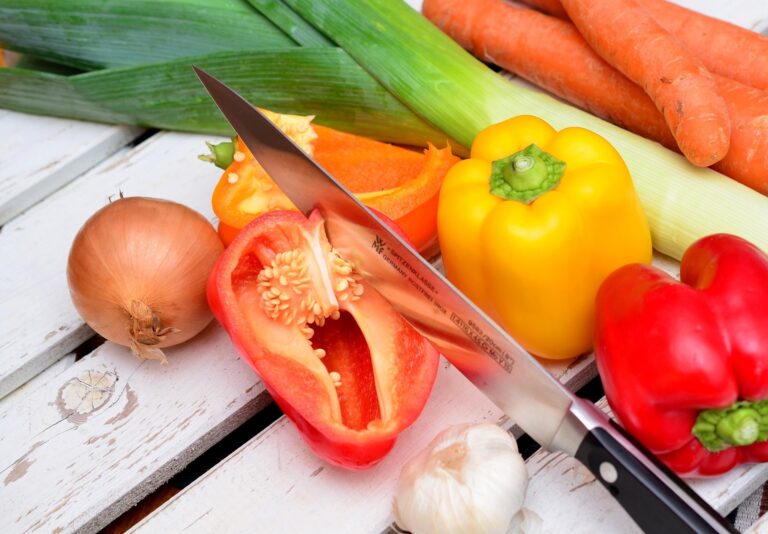
1. Chopping
2. Peeling
3. Portioning
are becoming more useful than cooking machines themselves.
Indians are slowly moving back to manual-assist gadgets instead of full electric tools because they:
• consume zero power
• reduce noise
• clean faster
This balance between manual and mechanical is where future demand lies.
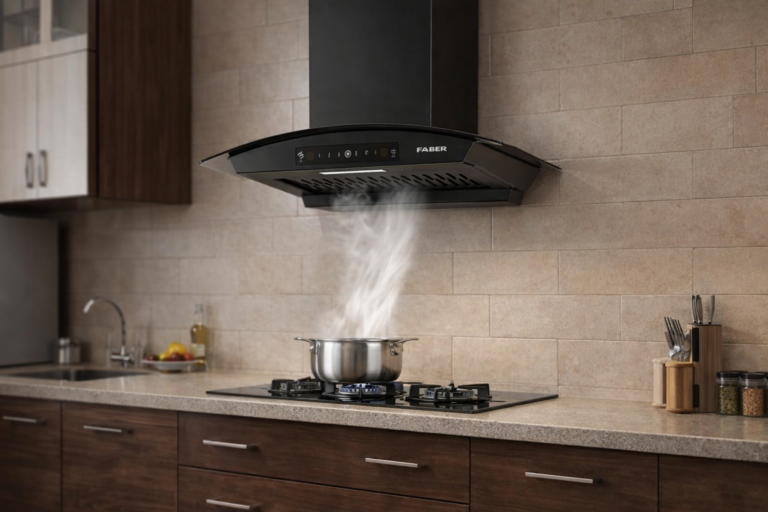
Cooking Gadgets That Reduce Gas & Electricity Use
One hidden reason people are upgrading gadgets in 2026 is energy anxiety.
Yes a new-age cooking gadgets now focus on:
• Faster heat transfer
• Better insulation
• Shorter cooking cycles
Instead of cooking faster for comfort, people now want to cook cheaper without sacrificing taste.
This is especially relevant for Indian dishes that involve long simmering or reheating.
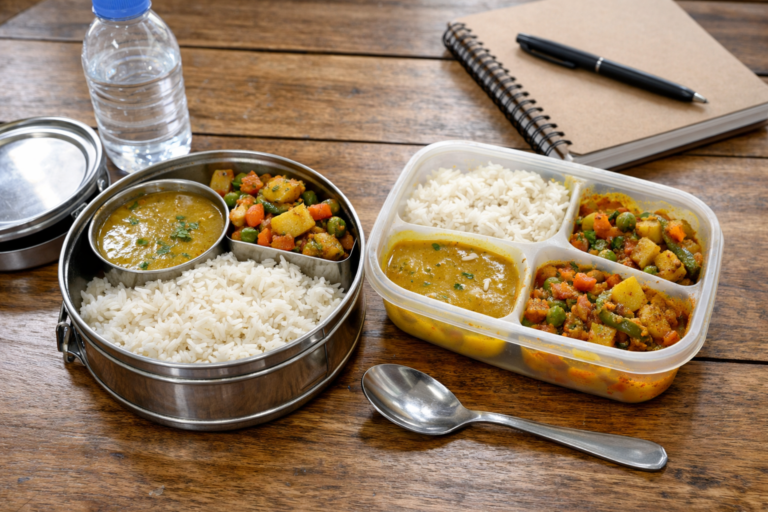
Storage & Freshness Tools Becoming a 2026 Essential
Food waste is no longer ignored in Indian homes.
With rising vegetable prices, storage gadgets that:
• Delay spoilage
• Control moisture
• Stack efficiently in small refrigerators are becoming practical investments.
Why this trend will continue beyond 2026
Urban families are shopping less frequently but in larger quantities which makes smart storage more important than smart cooking.
How Indian Kitchens Are Evolving in New Year 2026
| Old Kitchen Buying Mindset | New Year 2026 Kitchen Reality |
| Buying gadgets for novelty | Buying tools for daily usefulness |
| More gadgets, less space | Fewer gadgets, better organisation |
| Feature-heavy appliances | Simple tools with clear purpose |
| Occasional usage | High daily or weekly usage |
| Ignoring cleaning effort | Easy cleaning is a priority |
| Regret after purchase | Intentional, low-regret buying |
Kitchen Gadgets That Look Useful but Fail in Indian Kitchens
Every New Year brings a fresh wave of kitchen gadgets that look impressive in advertisements but quietly fail inside Indian kitchens. These products are often designed with western cooking styles in mind low oil usage, limited spices, and quick, dry cooking methods. Indian cooking is different. It involves tempering,grinding, slow simmering, and repeated washing. Gadgets that ignore these realities rarely last beyond a few days or weeks of use.
One of the biggest reasons people regret buying kitchen gadgets is cleaning fatigue. After cooking oily gravies or spice-heavy dishes, many gadgets require dismantling multiple parts, soaking, brushing, and careful drying. What initially promised convenience ends up adding extra work after every meal. Over time, users naturally fall back to simpler tools that can be cleaned in seconds.
Another common issue is poor compatibility with Indian utensils and cooking habits. Some gadgets don’t fit standard kadais, pressure cookers, or gas stove setups. Others struggle with thicker batters, coarse masalas, or uneven chopping requirements.
A gadget may perform well for one recipe but fail for daily staples like dal, sabzi, or curries making it unreliable for regular use.
There’s also the problem of setup versus benefit. Many modern gadgets require assembling parts, adjusting settings, or reading instructions before use. In real kitchens, especially during busy mornings or evening cooking rushes, people prefer tools that work instantly. If using a gadget takes longer than doing the task manually, it loses relevance very quickly.
The reality check for 2026 is simple and unforgiving
If a kitchen gadget increases post-cooking cleaning stress or disrupts cooking flow, it will not survive daily use no matter how innovative, expensive, or heavily promoted it looks. Indian kitchens reward practicality, not novelty.
A Simple 3-Question Test Before Buying Any Gadget in 2026
In New Year 2026, the smartest kitchen decisions are not made by reading hundreds of reviews , they are made by asking the right questions before buying. Most gadgets fail not because they are poorly built, but because they don’t fit daily cooking habits.
The first question is frequency of use. If a gadget won’t be used at least twice a week, it’s not an upgrade it’s a storage problem. Indian kitchens thrive on routine or daily cooking, not occasional experiments. Tools that are used daily or weekly naturally justify their space and cost.
The second question is about real savings. A good gadget must save fuel, time, or physical effort ideally more than one. If it only looks convenient but doesn’t reduce cooking duration, gas usage, or physical strain, its value is mostly psychological, not practical. Convenience without measurable benefit rarely survives long-term use.
The third question is the most ignored but the most important: cleaning simplicity. If a gadget requires watching a YouTube video just to clean it properly, it will slowly disappear from daily cooking. Indian meals are frequent, oily, and spice-rich tools must be easy to wash and dry quickly.
If even one of these questions has a “no” answer, skipping the gadget is usually the smartest choice. This simple filter protects your money, your kitchen space, and your time far better than star ratings ever will.
What New Year 2026 Kitchen Gadgets Signal About the Future of Indian Kitchens
In 2026, New Year 2026 kitchen gadgets are being chosen more for daily usability than for innovation alone.This year is a quiet but important shift in how Indian households think about their kitchens. The excitement around smart screens, app-controlled appliances, and Wi-Fi cooking is slowly giving way to something far more practical. Indian kitchens are no longer chasing technology for novelty; they are choosing tools that genuinely fit daily life.
Fewer Gadgets, More Purpose
One clear signal in 2026 is the move toward fewer gadgets with clearer roles. Over the years, many homes accumulated single-purpose tools that looked useful and helpful but stayed untouched. Now, buyers are becoming selective. If a gadget cannot replace multiple traditional tools or serve more than one daily task, it struggles to justify its space. This mindset naturally reduces clutter and makes kitchens easier to manage.
Higher Daily Usage Matters More Than Features
In Indian kitchens, value is no longer measured by how advanced a gadget looks, but by how often it is used. Tools that support everyday cooking chopping, storing, reheating, or pressure cooking are winning over feature-heavy appliances. A simple tool used twice a day delivers more real value than a smart appliance used once a month. This focus on daily usability is reshaping buying decisions in 2026.
Lower Regret Is the New Success Metric
Another strong and best signal is the desire to avoid regret. Indian consumers are tired of purchases that promise convenience but add cleaning stress or complexity. Gadgets that create friction, demand careful handling, or disrupt cooking flow are slowly being rejected. In contrast, tools that feel intuitive and reliable earn long-term trust.
Intentional Minimalism in Indian Kitchens
All these changes point toward intentional minimalism. This doesn’t mean owning less for the sake of it, but owning better. In the future Indian kitchen, every tool earns its place by being useful, easy to maintain, and relevant to everyday cooking. New Year 2026 shows that practicality not technology is shaping the kitchens of tomorrow.
CONCLUSION
New Year 2026 is not the year to buy more kitchen gadgets.It’s the year to buy only the ones that quietly improve daily cooking.
It is true that The smartest kitchens in the future won’t look high-tech they’ll look simple, efficient, and stress-free.