How to Get Rid of Food Flies in the Kitchen Permanently
Food flies in the kitchen are one of the most frustrating problems homeowners face. They appear suddenly, multiply quickly, and seem to return even after cleaning the entire kitchen. Many people assume the kitchen is dirty when these insects appear, but that assumption is not always correct. Even well-maintained kitchens can develop a food fly problem because these insects are extremely sensitive to smells from organic matter.
Food flies are attracted to fermenting sugars, moisture, and microscopic food residue. These can exist in places that people rarely notice, such as sink drains, garbage bins, recycling containers, fruit bowls, and even damp cleaning cloths. When these small insects discover a suitable food source, they begin reproducing almost immediately. Because their life cycle is extremely short, their population can increase dramatically within a few days.
In warm conditions, a single female fruit fly can lay hundreds of eggs. These eggs hatch into larvae within a short period, and the larvae feed on organic material before becoming adult flies. Once they reach adulthood, the cycle repeats. This is why a small number of flies can quickly become a full infestation in a kitchen.
Understanding how these flies live, what attracts them, and how they reproduce is the key to solving the problem permanently. Simply killing visible flies rarely works because the real issue is usually hidden breeding locations. Removing those breeding areas is the only reliable long-term solution.
This comprehensive guide explains in detail how food flies develop in kitchens, why they multiply so quickly, and what practical steps you can take to eliminate them permanently. It also covers effective home remedies, cleaning strategies, and prevention techniques used by pest control professionals.
By the end of this guide, you will understand how to remove food flies quickly and how to prevent them from returning in the future.
Understanding Food Flies and Why They Appear in Kitchens
Food flies are small insects that belong to several different species. In most kitchens, the flies people notice are either fruit flies or drain flies. Although they are similar in size, their breeding environments and behavior are slightly different.
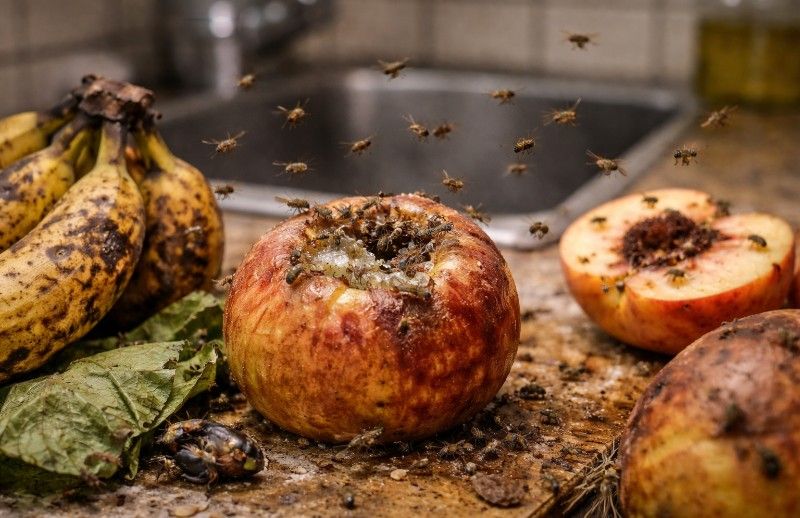
Fruit flies are attracted to sweet and fermenting substances. When fruits begin to ripen, they release natural sugars and aromas that fruit flies detect easily. These insects can find food sources from surprisingly long distances because their sense of smell is highly developed. Once they locate a suitable environment, they begin laying eggs on moist organic material.
Drain flies behave differently. Instead of targeting fruit, they usually breed inside sink drains, garbage disposals, and plumbing pipes. Inside these areas, organic waste often builds up over time. Grease, food residue, soap film, and bacteria form a sticky layer known as biofilm. This layer provides an ideal environment for drain flies to reproduce.
Many kitchens unknowingly provide multiple breeding areas at once. For example, a fruit bowl on the counter, a garbage bin containing food scraps, and a sink drain with organic buildup can all attract flies at the same time. When several of these conditions exist together, the fly population grows quickly.
Another reason food flies appear suddenly is that they can enter homes easily. They may come through open windows, doors, grocery bags, or even inside fruit purchased from the store. Sometimes eggs are already present on produce surfaces. Once the fruit sits in a warm kitchen, those eggs hatch and begin the life cycle.
Because kitchens contain water, food, and warmth, they are naturally attractive environments for many insects. The goal is not only to remove flies when they appear but also to understand the conditions that allow them to survive.
Why Food Flies Multiply So Quickly
The rapid reproduction of food flies is one of the main reasons they become such a persistent nuisance. Unlike many other insects, fruit flies have a very short life cycle that allows populations to grow rapidly in favorable conditions.
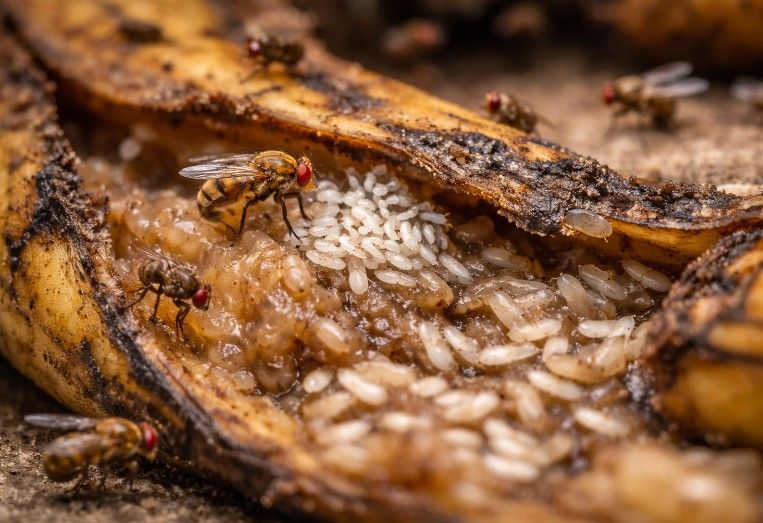
The life cycle begins when a female fly lays eggs on organic material. These eggs are extremely small and often invisible to the human eye. Within a short time, the eggs hatch into larvae. These larvae feed on the surrounding organic matter, which provides them with the nutrients required for development.
After several days of feeding, the larvae transform into pupae. During this stage, they begin developing into adult flies. Soon afterward, new adult flies emerge and start the reproduction process again.
In warm environments such as kitchens, this entire process can occur in less than two weeks. Because each female fly can lay hundreds of eggs, even a small number of insects can lead to a large infestation within a short period.
Humidity and temperature play a significant role in this process. Warm temperatures accelerate development, while moisture allows organic material to break down more easily. This combination explains why food fly problems are more common during summer months and in humid climates.
Another factor that contributes to rapid population growth is the abundance of food sources in kitchens. Small food residues that people rarely notice can sustain fly larvae. A drop of fruit juice, a piece of vegetable waste, or a small buildup of grease inside a drain can provide enough nourishment for developing insects.
Because the reproductive cycle is so fast, it is essential to act quickly when flies appear. Waiting too long allows multiple generations to develop, making the infestation harder to control.
Identifying the Source of Food Flies in Your Kitchen
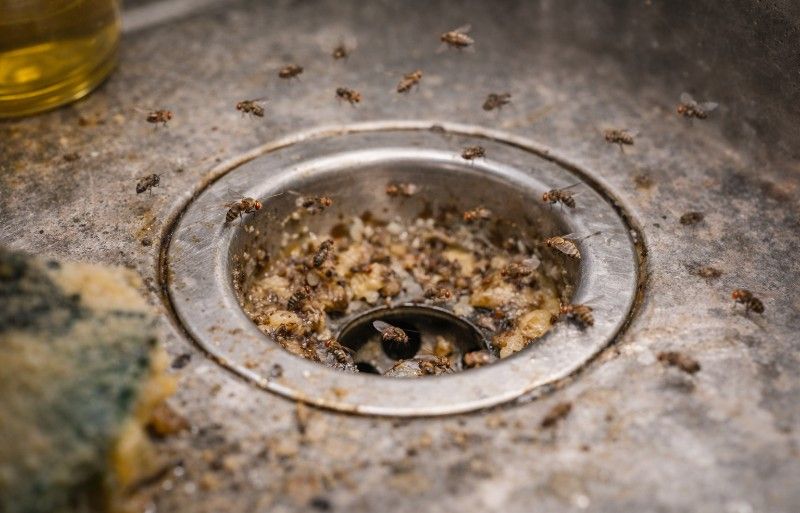
Before trying to eliminate food flies, it is important to identify where they are breeding. Killing adult flies without addressing their breeding site will only provide temporary relief.
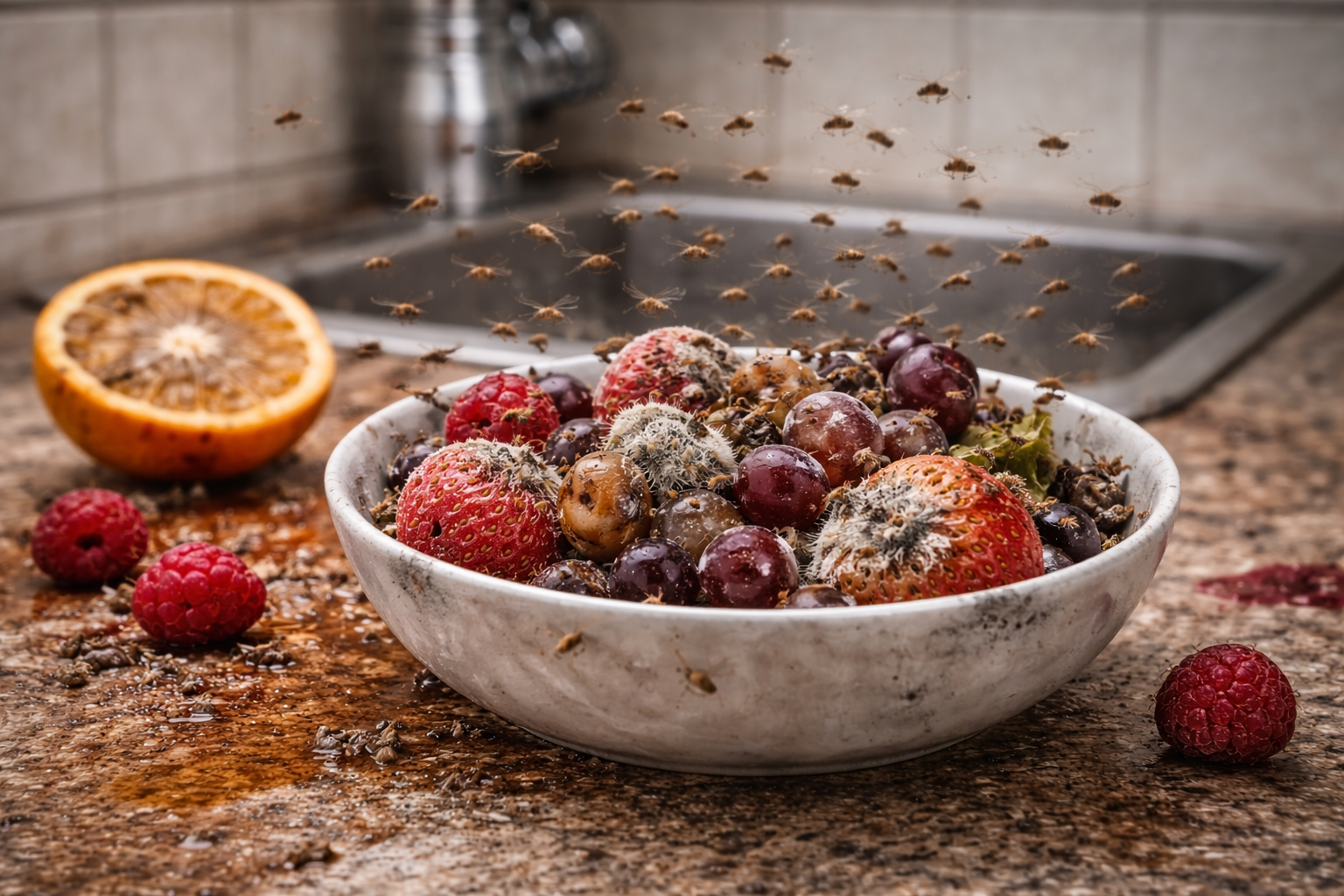
Observing where the flies gather can provide valuable clues. If most of them hover around fruit bowls, the source is likely fermenting produce. If they concentrate near the sink, the drain may be the primary breeding area. Flies that appear near garbage bins are usually attracted to decomposing food scraps.
Sometimes the source is not immediately obvious. In such cases, inspecting the kitchen carefully can reveal hidden problem areas. Recycling containers, compost bins, and food storage areas are common locations where organic material accumulates unnoticed.
Checking the sink drain is particularly important. Shine a flashlight into the drain and look for slimy buildup on the inner walls of the pipe. This material often contains organic waste that attracts insects.
Another potential breeding site is the area beneath appliances. Small pieces of food can fall behind refrigerators or stoves, creating a hidden source of organic matter. Because these spaces are rarely cleaned, they can support insect populations for long periods.
Understanding where the flies are breeding makes it much easier to eliminate them effectively.
Deep Cleaning the Kitchen to Remove Breeding Sources
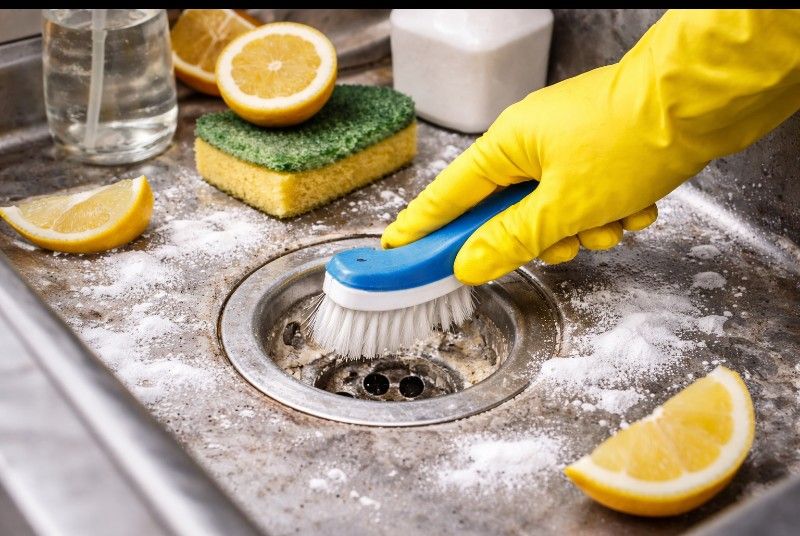
One of the most effective strategies for eliminating food flies is a thorough kitchen cleaning. This process removes the organic materials that insects rely on for survival.
Start by clearing all food items from the kitchen counters. Fruits and vegetables should be inspected carefully. Overripe produce should be discarded, and fresh produce can be stored in the refrigerator to reduce exposure.
Next, clean all surfaces using warm water and mild detergent. Pay special attention to areas where food preparation occurs. Cutting boards, countertops, and stovetops often contain small residues that attract insects.
Garbage bins should be emptied and washed thoroughly. Even when garbage bags are used, small amounts of liquid or food residue can accumulate inside the bin. Washing the bin with soap and water removes these residues and reduces odors that attract flies.
The sink area also requires attention. Scrub the sink basin and rinse it with hot water. Remove any food particles that may have become trapped in the drain strainer.
Cleaning cloths and sponges should be replaced or sanitized. These items often contain hidden food particles and remain damp for long periods, making them attractive to insects.
Finally, inspect the floor and areas beneath appliances. Sweeping and mopping the floor removes crumbs and sticky spills that could support insect larvae.
A deep cleaning session may take some time, but it is one of the most important steps in eliminating food flies permanently.
Cleaning the Sink Drain to Stop Drain Flies
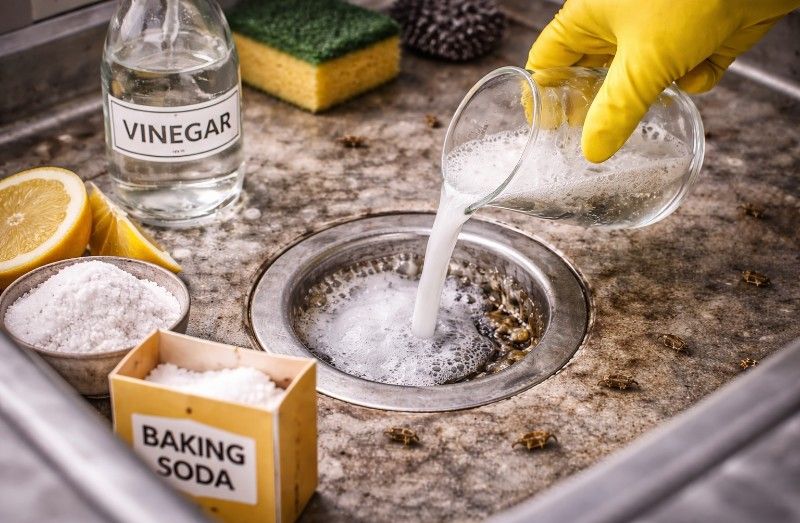
If flies appear mostly around the sink area, the drain is likely their breeding location. Organic buildup inside pipes provides a perfect environment for drain flies to reproduce.
Cleaning the drain properly requires more than simply pouring water down the sink. Over time, grease and food particles accumulate along the inner walls of pipes. This material forms a slimy coating that protects insect larvae.
One effective approach is to flush the drain with boiling water. The hot water helps loosen grease and organic residue. Afterward, a mixture of baking soda and vinegar can be poured into the drain. The reaction between these ingredients helps break down buildup inside the pipe.
Allow the mixture to sit for several minutes before flushing again with hot water. Repeating this process several times can significantly reduce organic buildup.
For stubborn problems, using a drain brush or pipe cleaning tool may be necessary. Physically scrubbing the inside of the drain pipe removes the biofilm that insects rely on for breeding.
Maintaining clean drains on a regular basis is one of the best ways to prevent future infestations.
Using Traps to Capture Adult Food Flies
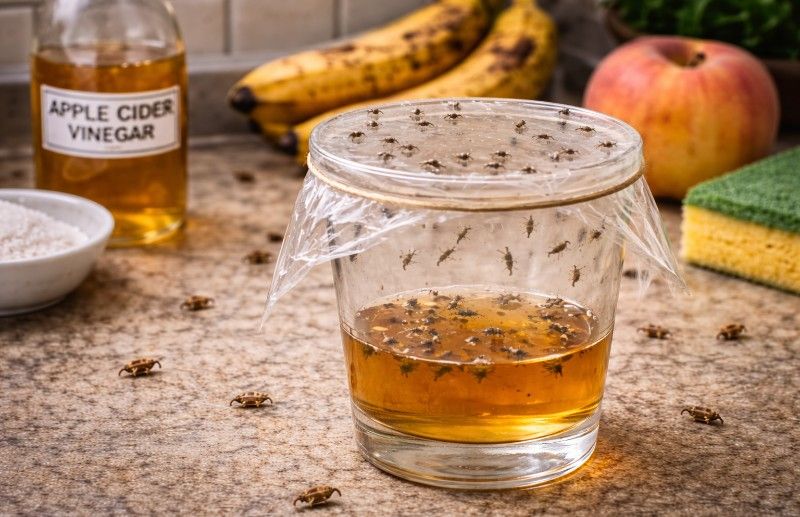
While cleaning removes breeding sites, traps help eliminate adult flies that are already present. Several simple traps can be made using household materials.
One of the most popular methods uses apple cider vinegar. Fruit flies are attracted to the smell of fermentation, which makes vinegar an effective lure. By placing a small bowl of vinegar on the counter, flies are drawn toward it.
Adding a drop of dish soap to the vinegar breaks the liquid’s surface tension. When flies land on the liquid, they sink instead of standing on the surface.
Another effective trap involves using a jar and a paper funnel. A small amount of vinegar or fruit is placed in the jar, and a paper funnel is inserted into the opening. Flies enter through the funnel but cannot easily escape.
These traps work best when placed near areas where flies are most active. Over time, they help reduce the adult population while cleaning removes breeding sources.
Natural Remedies That Help Reduce Food Flies
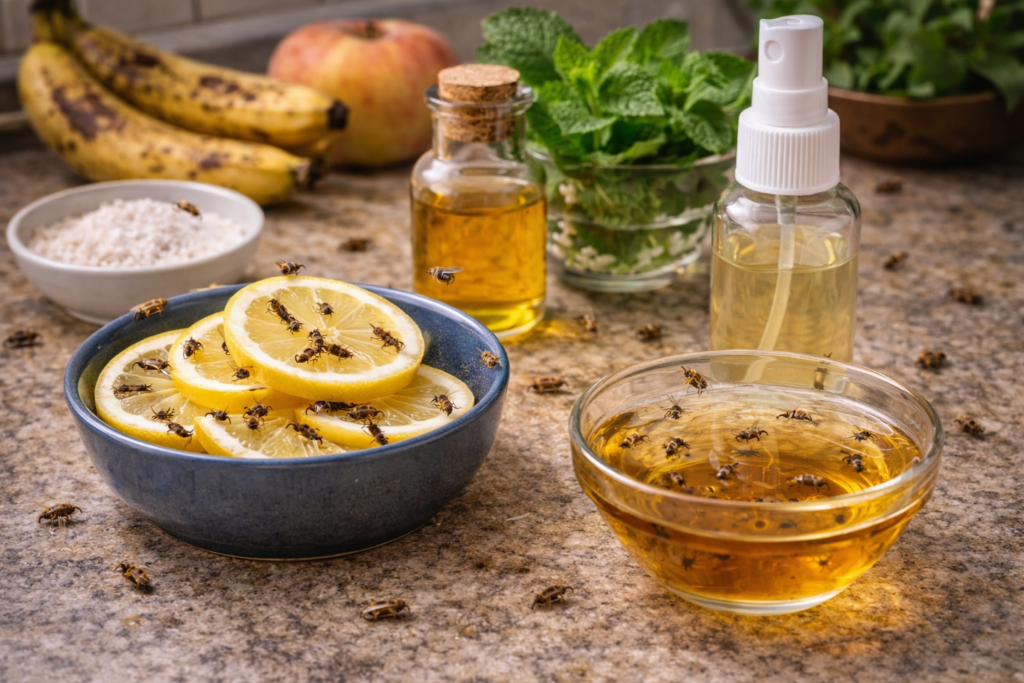
Many households prefer natural solutions instead of chemical insecticides. Fortunately, several natural ingredients can help repel or reduce food flies.
Citrus fruits such as lemons produce strong scents that insects dislike. Placing lemon slices near fruit bowls or kitchen counters can discourage flies from staying in those areas.
Herbs like basil and mint also produce aromas that repel insects. Growing these herbs in small pots near kitchen windows can provide both culinary benefits and natural pest control.
Cloves are another traditional remedy. Their strong scent can deter flies when placed near food storage areas.
Although these natural methods may not eliminate an infestation by themselves, they can support other control measures and help reduce insect activity.
Long-Term Prevention Strategies for a Fly-Free Kitchen

Preventing food flies is easier than eliminating an infestation. Developing consistent kitchen habits can significantly reduce the chances of these insects appearing.
One of the most important habits is proper food storage. Fruits and vegetables should not remain on the counter for extended periods, especially in warm weather. Refrigeration slows down the fermentation process and makes produce less attractive to flies.
Garbage management is equally important. Kitchen waste should be removed regularly, and garbage bins should be cleaned periodically to prevent odors and residue buildup.
Cleaning the sink drain on a routine basis prevents organic material from accumulating inside pipes. A simple weekly flush with hot water can help maintain cleanliness.
Keeping surfaces dry also discourages insects. Wiping counters after cooking and drying the sink area reduces moisture that might attract flies.
By maintaining these habits consistently, most kitchens can remain free from food flies.
Health Risks Associated with Food Flies
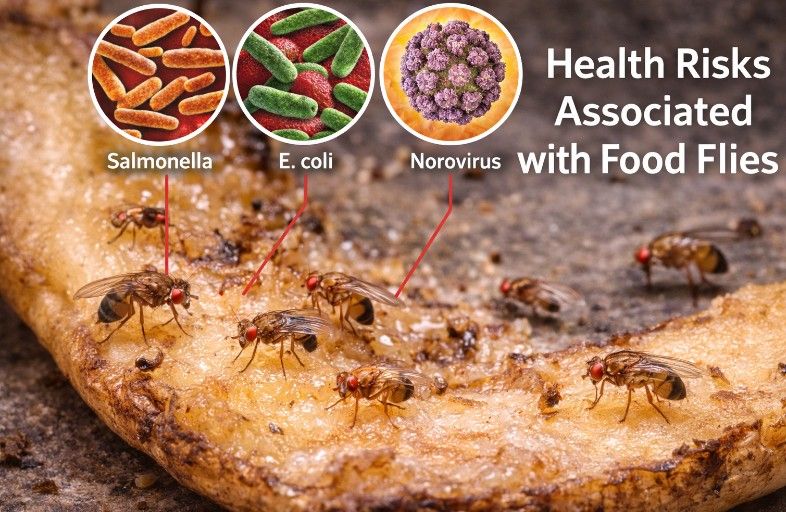
Although food flies do not bite humans, they can still pose hygiene concerns. These insects frequently land on decomposing material, garbage, and drains where bacteria are present.
After contacting contaminated surfaces, flies may land on food or kitchen utensils. This behavior increases the risk of transferring microorganisms.
While the risk is generally low in most households, maintaining proper hygiene is important. Eliminating flies helps ensure that food preparation areas remain clean and sanitary.
When Professional Pest Control May Be Necessary
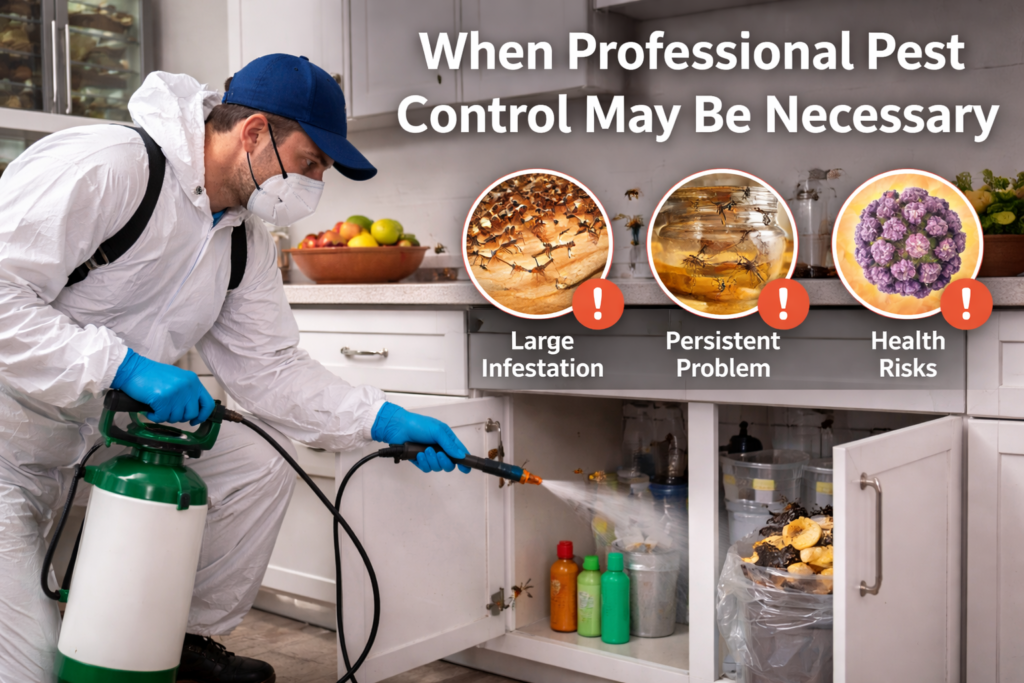
In rare situations, a severe infestation may require professional pest control services. This is more likely to occur when breeding sites exist within plumbing systems or hidden structural areas.
Pest control professionals have access to specialized treatments that can target insects in difficult locations. They may also use insect growth regulators that interrupt the reproductive cycle of flies.
However, in most homes, careful cleaning and preventive practices are sufficient to solve the problem without professional assistance.
Frequently Asked Questions About Food Flies in the Kitchen
Why do food flies suddenly appear in the kitchen?
Food flies usually appear when they detect fermenting food or organic waste. Overripe fruits, vegetable scraps, spilled juice, or food residue inside sink drains can attract them very quickly. Even a small amount of fermenting sugar is enough to draw flies into the kitchen.
Another reason they appear suddenly is their short life cycle. Eggs can hatch within a day, and new flies develop in less than two weeks. Because of this rapid reproduction, a few flies can quickly turn into a noticeable infestation.
Are food flies the same as fruit flies?
In most kitchens, the flies people call food flies are actually fruit flies. They are attracted to sweet and fermenting foods such as bananas, apples, grapes, and fruit juice.
However, some kitchens experience drain flies instead. These insects breed inside sink drains and pipes where organic sludge accumulates. Although they look similar in size, fruit flies usually gather near fruit while drain flies stay close to drains.
Identifying the type of fly helps determine the best way to eliminate them.
Can fruit flies breed inside the kitchen sink?
Yes, fruit flies and drain flies can breed inside sink drains if organic material builds up inside the pipes. Food particles, grease, soap residue, and bacteria create a slimy layer that allows insects to reproduce.
If flies gather around the sink, the drain is likely the source. Cleaning the drain with hot water and removing organic buildup can stop the breeding cycle.
Regular drain cleaning is one of the most effective ways to prevent this problem.
What smell attracts fruit flies the most?
Fruit flies are strongly attracted to fermenting smells. This includes odors produced by overripe fruits, fruit juice, vinegar, alcohol, and decomposing food scraps.
Fermentation releases chemical compounds that fruit flies can detect from a distance. These scents signal that food suitable for egg-laying is available.
This is also why apple cider vinegar traps work well. The vinegar produces a similar fermentation scent that attracts flies.
How long do fruit flies live?
The lifespan of a fruit fly is usually around one to two weeks. However, during that short time they can reproduce rapidly.
A female fruit fly can lay hundreds of eggs, and those eggs can develop into adults in less than two weeks under warm conditions. Because of this fast reproductive cycle, the fly population can grow quickly if breeding sources remain in the kitchen.
Removing food sources and cleaning breeding areas is essential for stopping their life cycle.
Do fruit flies go away on their own?
Fruit flies rarely disappear on their own if food sources remain available. As long as fermenting food or organic waste exists, the flies will continue reproducing.
To eliminate them, it is necessary to remove breeding locations. This includes discarding overripe fruit, cleaning garbage bins, washing kitchen surfaces, and cleaning sink drains.
Once the breeding source is removed, the population usually declines quickly.
Can fruit flies survive in the refrigerator?
Fruit flies generally cannot survive well inside a refrigerator because low temperatures slow their metabolism and reproduction.
Storing fruits in the refrigerator can help prevent flies from laying eggs on them. However, if fruit already contains eggs before refrigeration, the eggs may still hatch once the fruit returns to room temperature.
For this reason, it is best to inspect fruits carefully before storing them.
Why are fruit flies around bananas?
Bananas release strong natural sugars and aromas as they ripen. These scents are highly attractive to fruit flies.
When bananas become overripe, fermentation begins, producing odors that fruit flies detect easily. The flies then lay eggs on the fruit surface.
Keeping bananas covered or storing them in the refrigerator once ripe can help reduce this attraction.
Do fruit flies bite humans?
Fruit flies do not bite humans. They feed mainly on sugars and organic material found in fruits, vegetables, and fermenting liquids.
However, they can still be considered a hygiene concern because they often land on garbage or decomposing material before landing on food surfaces.
Keeping kitchens clean helps prevent this contamination risk.
What is the fastest way to get rid of fruit flies?
The fastest way to remove fruit flies is to combine several methods at the same time.
First, remove all breeding sources such as overripe fruit and food waste. Second, clean the sink drain and kitchen surfaces thoroughly. Third, place vinegar traps around areas where flies gather.
By eliminating their food sources and trapping adult flies, the infestation usually decreases within a few days.
Why do fruit flies keep coming back?
Fruit flies usually return when a hidden breeding source remains in the kitchen. This could be a dirty drain, forgotten food scraps, a garbage bin with residue, or overripe produce left on the counter.
Even small amounts of organic material can support new generations of flies.
Regular cleaning and proper food storage are the most reliable ways to prevent them from returning.
How can I prevent food flies in the kitchen permanently?
Permanent prevention requires maintaining a clean kitchen environment. Fruits should not remain exposed for long periods, garbage bins should be emptied regularly, and sink drains should be cleaned to prevent organic buildup.
Wiping kitchen counters after cooking and keeping sponges clean also helps reduce conditions that attract flies.
With consistent cleaning habits, most kitchens can remain free from food flies.