How Much Electricity Does an Induction Cooktop Use in India?
Many Indian households are switching from gas stoves to induction cooktops. One of the biggest questions people have before buying an induction cooktop is how much electricity it actually consumes and whether it increases the monthly power bill.Induction cooktops are known for fast cooking and better energy efficiency, but the exact electricity usage depends on factors like wattage, cooking time, and daily usage habits. Understanding these details helps in deciding whether an induction cooktop is suitable for your home.In this article, we explain how much electricity an induction cooktop uses in India, how to calculate power consumption, and what it means for your monthly electricity bill.
What Is an Induction Cooktop and How Does It Work?
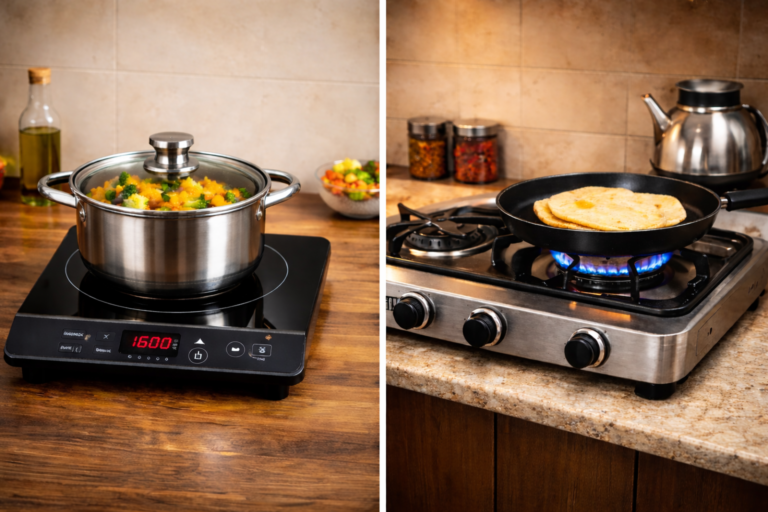
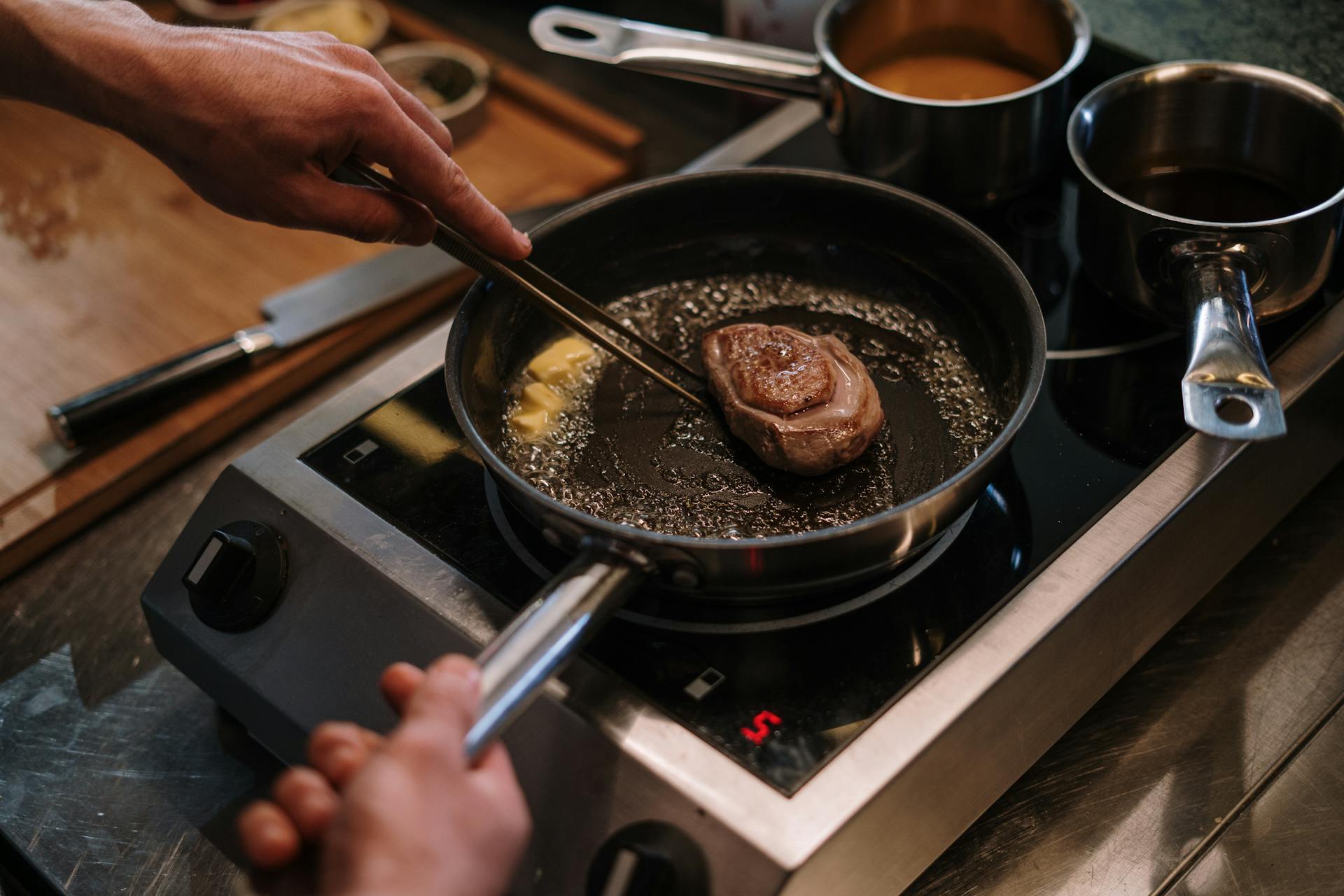
An induction cooktop is a modern cooking appliance that uses electromagnetic technology to heat cookware directly. Unlike gas stoves or traditional electric stoves, induction cooktops do not heat the surface. Instead, they generate heat inside compatible cookware, which makes cooking faster and more energy efficient.
Induction cooktops are commonly used in Indian kitchens for boiling, frying, and preparing daily meals. They require flat-bottom induction-compatible utensils and are known for better heat control and safety.
Average Electricity Consumption of an Induction Cooktop in India
The electricity consumption of an induction cooktop in India mainly depends on its power rating. Most induction cooktops available in the Indian market have a power rating between 1200 watts and 2000 watts.
On average, an induction cooktop consumes between 1.2 to 2 units of electricity per hour when used at full power. However, actual consumption is usually lower because the cooktop does not run at maximum power continuously during cooking.
How to Calculate Induction Cooktop Electricity Usage (Simple Formula)
You can calculate the electricity usage of an induction cooktop using a simple formula.
Electricity units consumed = Power (in kW) × Usage time (in hours)
For example, a 1800-watt induction cooktop has a power rating of 1.8 kW. If it is used for 1 hour, the electricity consumption will be approximately 1.8 units.
Example: Monthly Electricity Cost of Using an Induction Cooktop
Let us consider a simple example to understand the monthly electricity cost.
Assume you use a 1500-watt induction cooktop for about 1.5 hours daily.
Daily electricity consumption = 1.5 kW × 1.5 hours = 2.25 units
Monthly electricity consumption = 2.25 units × 30 days = 67.5 units
If the average electricity cost is ₹7 per unit, the monthly cost will be around ₹470.
Why Induction Electricity Usage Often Feels Higher Than It Really Is
Many people start using an induction cooktop and feel their electricity bill has suddenly jumped. In most cases, the induction cooktop is not the only reason.
One big reason is how electricity billing works in India. Electricity charges are usually divided into slabs. When total monthly usage crosses a slab limit, the per-unit rate increases. Even a small increase in usage from an induction cooktop can push the bill into a higher slab, making it feel like induction is consuming a lot of power.
Another factor is visibility. Gas consumption is slow and invisible. You don’t see the cylinder emptying every day. Electricity units, on the other hand, show up clearly on the bill. So when people see 60–80 extra units, it feels alarming, even though the actual cost may be similar to gas.
Also, induction cooktops are often added on top of existing appliances, not as a replacement. Fridge, washing machine, geyser, and AC usage stays the same. Induction just becomes the most noticeable new item.
In reality, induction electricity usage is usually predictable and controllable. Once cooking habits stabilize, most households find that the increase is manageable rather than shocking.
Induction Cooktop vs Gas Stove: Which Is Cheaper in India ?
If you are considering switching, a basic induction cooktop can be a practical option for many Indian households.
When comparing induction cooktops with gas stoves, both have different cost factors. Induction cooktops use electricity, while gas stoves rely on LPG cylinders.
In many Indian cities, induction cooktops can be cheaper for daily cooking due to better energy efficiency and controlled heating. However, the overall cost depends on local electricity tariffs, LPG prices, and daily cooking habits.
When an Induction Cooktop Is NOT a Good Choice in Indian Homes
Induction cooktops are useful, but they are not perfect for every household. This is something many blogs avoid saying, but it matters in real life.
If your home has frequent power cuts, an induction cooktop can quickly become frustrating. Cooking halfway through a meal and losing power is not practical, especially for families who cook multiple dishes at once.
Homes with very old electrical wiring also need to be careful. Induction cooktops draw high power, and weak wiring can cause voltage drops or safety issues. In such cases, gas remains the more reliable option.
For large families where cooking involves long hours, multiple vessels, and heavy dishes like curries or frying, using only induction can increase electricity consumption noticeably. Induction works best for controlled cooking, not continuous high-load use.
Induction is also less suitable if most of your existing utensils are not induction compatible. Replacing cookware adds extra cost that people often don’t consider at the beginning.
This doesn’t mean induction is bad. It simply means it works better as a support cooking method, not always as a full replacement for gas in Indian kitchens.
Tips to Reduce Electricity Consumption While Using an Induction Cooktop
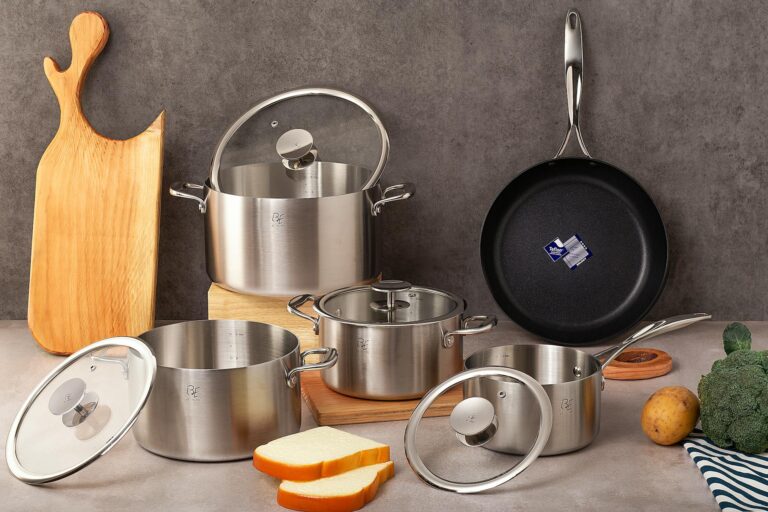
You can reduce electricity consumption by using induction-compatible cookware with flat bottoms. Cooking at medium power instead of maximum power and covering vessels with lids also helps save energy.
Switching off the induction cooktop a few minutes before cooking is finished allows residual heat to complete the process. Regular cleaning and proper usage ensure efficient performance and lower electricity usage.
How Induction Cooktops Are Actually Used in Indian Homes
In real Indian households, induction cooktops are rarely used as the only cooking option. Most people use them in a practical, flexible way.
In smaller households or bachelor setups, induction often becomes the main cooking tool. Meals are simple, cooking time is short, and electricity usage stays controlled. For these users, induction feels convenient and predictable.
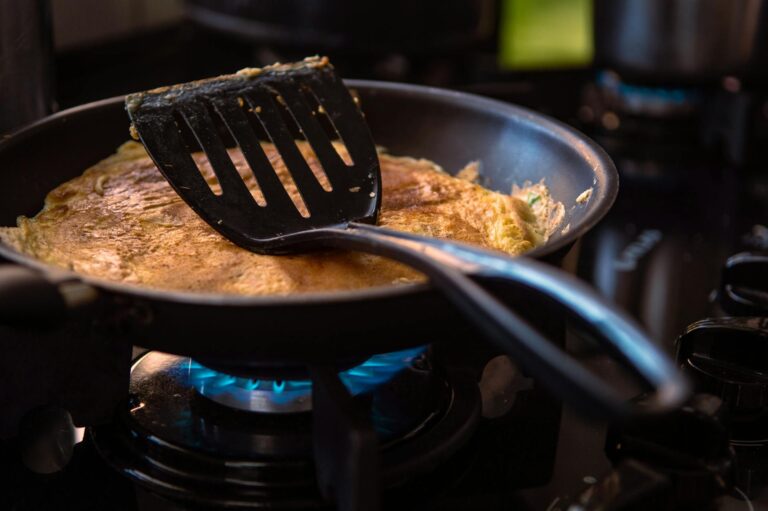
In family homes, induction is usually used alongside gas. Morning tea, boiling milk, cooking rice, or reheating food are common induction tasks. Heavier cooking like sabzi, dal, or frying is often done on gas, especially when multiple dishes are being prepared together.
In flats and apartments, induction is also used as a backup during gas shortages or late-night cooking when people want quick heat without lighting the stove. This mixed usage keeps electricity bills from rising sharply.
Another real pattern is seasonal usage. During summer, some households reduce gas usage because of heat and use induction more often. During monsoon or winter, gas comes back into heavier use.
These patterns explain why electricity consumption from induction cooktops varies widely from home to home. There is no single “average” that fits everyone.
Understanding how people actually use induction makes it easier to judge whether it suits your home and cooking habits.
FAQs
Q1. Does an induction cooktop consume more electricity than a gas stove ?Induction cooktops are energy efficient and may consume less energy overall, depending on usage and local power costs.
On average, an induction cooktop consumes about 1.5 to 3 units per day for normal household cooking.
Q2. Is induction cooking safe for Indian kitchens ?
Induction cooktops are energy efficient and may consume less energy overall, depending on usage and local power costs.
On average, an induction cooktop consumes about 1.5 to 3 units per day for normal household cooking.
Q2. Is induction cooking safe for Indian kitchens ?
Yes, induction cooktops are safe when used with compatible cookware and proper precautions.
So, Does an Induction Cooktop Actually Make Sense in India?
Induction cooktops are an energy-efficient and convenient option for Indian households. Understanding electricity consumption helps in estimating monthly costs and deciding whether an induction cooktop fits your cooking needs. Proper usage and energy-saving practices can further reduce electricity expenses.