Best Non Stick Pan for Bachelor Cooking in India
If you live alone in India and cook for yourself, you already know the struggle. You want food fast, you don’t want too many utensils, and you definitely don’t want to spend time scrubbing pans after a long day.
Most bachelor cooking is simple. Eggs in the morning. Quick sabzi or rice at night. Sometimes maggi, sometimes leftovers. The gas stove is small, the kitchen space is limited, and cooking happens in a hurry.
That’s why choosing the right non-stick pan matters more than people think. Not because of brand or fancy coating, but because the wrong pan makes everyday cooking irritating.
In this guide, I’ll explain what actually works for bachelor cooking in Indian homes. What size makes sense, when non-stick is a good choice, and when it isn’t. No marketing talk, just practical advice based on daily use.
How Bachelor Cooking Is Different in Indian Homes
Let’s be honest. Bachelor cooking in India is not planned cooking.
Most days it’s like this.
You come back tired. You open the fridge. You see eggs, onions, maybe leftover rice. You want food fast. No mood for extra cleaning or long cooking.
This is where non-stick pans become popular with bachelors.
You don’t buy a pan thinking about coating chemistry or brand claims. You buy it because:
• It cooks quickly
• Food doesn’t stick
• Cleaning takes two minutes
In rented rooms or PG kitchens, nobody wants to scrub utensils after cooking. Water pressure is low, sinks are small, and sometimes you’re sharing space with others. A non-stick pan fits this kind of life better than heavy cookware.
That’s the real reason bachelors prefer non-stick. Not because it’s fancy. Because it saves effort.
One Big Pan or Small Pan? This Is Where Most People Go Wrong
Many bachelors make a mistake while buying their first non-stick pan.
Some buy a very small pan because it’s cheap. Others buy a very big pan thinking it will be “future-proof”.
Both create problems.
Very small pans look okay online, but in real use:
• Food overflows while stirring
• Oil splashes everywhere
• Cooking feels cramped
• Very large pans look impressive, but in bachelor kitchens:
• Small gas stoves don’t heat them evenly
• They feel heavy
• Gas usage increases
For most bachelors, a 22–24 cm pan is the safest choice.
It’s big enough for:
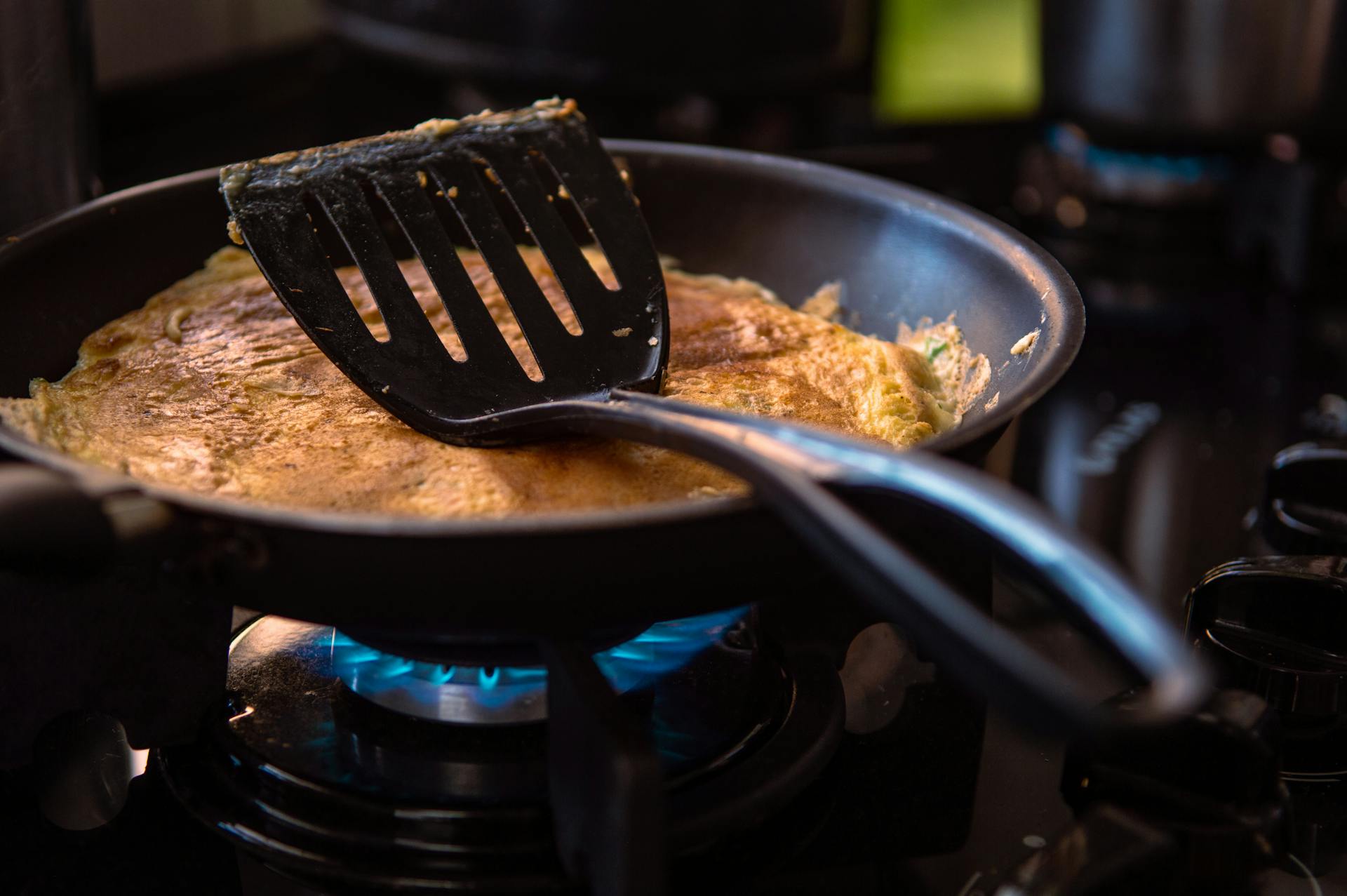
• Omelette or bhurji
• One person sabzi
• Fried rice
• Quick gravy
And small enough to:
• Heat evenly
• Store easily
• Wash quickly
If you cook only for yourself, one good pan is enough. If you start cooking for friends often, add another utensil later. Don’t overthink it at the start.
Why Non Stick Pans Are Ideal for Bachelor Cooking
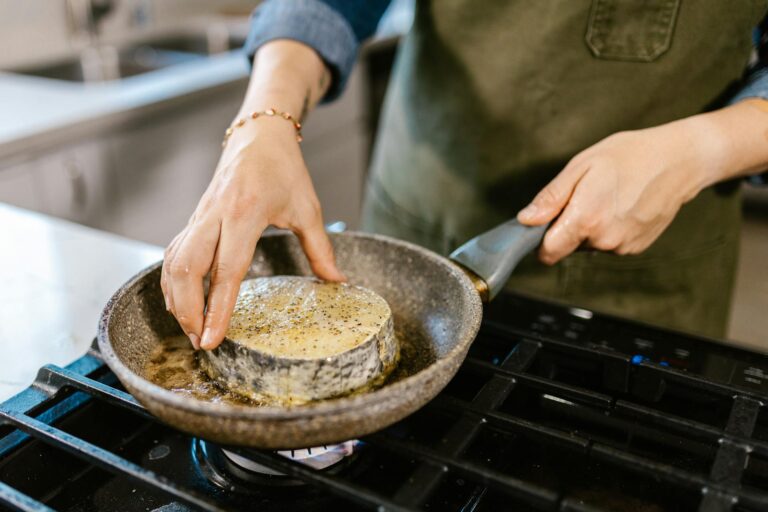
Non-stick pans are perfect for bachelor cooking because they are quick to use, easy to clean, and require very little oil. Most bachelors prefer simple meals like omelettes, stir-fried vegetables, instant noodles, and fried rice, which cook faster on a non-stick surface.Another advantage is low maintenance. Since food does not stick, washing takes only a few seconds. This makes non-stick pans ideal for people living alone, students, or working professionals who want hassle-free cooking.In my experience, a lightweight pan with a strong non-stick coating works best for daily bachelor cooking because it heats fast and is easy to clean.
Indian Cooking Style and Non-Stick Reality
Many people ask, “Is non-stick okay for Indian cooking?”
The honest answer: yes, but only if you’re sensible.
Indian cooking involves tadka, spices, and sometimes high flame. That doesn’t mean non-stick becomes unsafe. It just means you shouldn’t abuse it.
What actually damages non-stick is:
• Heating the pan empty on high flame
• Doing long tadka on full gas
• Using metal spoons daily
Most bachelor cooking is quick cooking. Eggs, vegetables, noodles, rice. For this, non-stick works well.
If you cook heavy gravies daily or fry pakoras every evening, then non-stick will wear out faster. In that case, it’s better to use a steel kadai along with your non-stick pan.
Many bachelors do exactly that. One non-stick pan for daily cooking. One steel utensil for rough use. Simple and practical.
How Long a Non-Stick Pan Really Lasts
Forget brand promises for a moment.
In real bachelor life:
With careless use, a pan lasts around 1 year
With basic care, it lasts 2–3 years
With very careful use, it may last longer
Basic care doesn’t mean babying the pan. It just means:
• Don’t overheat it empty
• Use wooden or silicone spoon
• Wash after it cools down
Once food starts sticking even with oil, or the coating looks damaged, it’s time to replace it. Using a worn-out non-stick pan is not a good idea.
Non-stick pans are not lifetime utensils. They’re working tools. Treat them like that and you won’t feel disappointed.
When Non-Stick Is Actually a Bad Choice
Non-stick is not for everyone.
If your daily cooking includes:
• Deep frying
• Long cooking on high flame
• Heavy stirring with steel spoons
• Cooking for many people at once
Then non-stick alone is not enough.
In such cases, stainless steel or cast iron works better. You can still keep a non-stick pan for quick meals, but don’t force it to do every job.
Choosing the right utensil is about matching it to your cooking style, not following trends.
Key Features to Look For in a Bachelor Non Stick Pan
When choosing a non-stick pan for bachelor cooking, focus on durability and safety. The coating should be PFOA-free and suitable for daily use. A thick base helps in even heat distribution and prevents food from burning.
Weight is also important. Lightweight pans are easier to handle, especially for beginners. Always choose a pan with a heat-resistant handle and a size that matches your regular cooking needs.
Is Non Stick Safe for Daily Cooking?
Modern non-stick pans are safe for daily cooking if used correctly. Always cook on low to medium heat and avoid metal spatulas, as they can damage the coating. Using wooden or silicone utensils helps extend the life of the pan.
As long as the coating is intact and the pan is not overheated, non-stick cookware is safe for everyday meals.
When a Non-Stick Pan Is NOT a Good Choice
A non-stick pan may not be ideal if you cook daily on high flame, use metal spoons, or prepare heavy Indian dishes like deep-fried items or repeated tadka. In such cases, non-stick coating wears out faster, and stainless steel cookware can be a better long-term option.
FAQs
Q1. Which size non-stick pan is best for bachelors?
A 22–26 cm pan is ideal for single-person cooking.
Q2. Can I use a non-stick pan daily?
Yes, if you cook on medium heat and use proper utensils.
Q3. How long does a non-stick pan last?
With proper care, a good-quality non-stick pan can last 2–3 years.
Q. Is non-stick pan safe for daily use?
Based on my daily cooking experience, non-stick pans are safe when used on low to medium heat and with wooden or silicone utensils.
Overall Summary
A good non-stick pan is a must-have for bachelor cooking in India. It saves time, reduces oil usage, and makes daily cooking simple and stress-free. Choosing the right size and quality ensures long-term use and better cooking results.