Best Non Stick Cookware Set in India (2025 Guide)
In many Indian homes, non-stick cookware is used daily for cooking sabzi, dal, omelette, and light frying. Most of this cooking happens on gas stoves, often on medium to high flame.
While non-stick cookware looks convenient, many people face problems like coating damage, food sticking again, or the pan wearing out faster than expected. This usually happens because non-stick cookware behaves differently in Indian cooking conditions.
This guide explains when a non-stick cookware set actually works well, when it does not, and what to realistically expect before buying one for an Indian kitchen.
How Non-Stick Cookware Enters an Indian Kitchen
In most Indian homes, non-stick cookware does not come after serious thinking or research. It usually comes in a very normal way. Sometimes it is a wedding gift. Sometimes it is bought during a festival offer. Sometimes people buy it because the old kadai feels too heavy or difficult to clean.
Most people do not sit and plan to change their cooking style. They just bring non-stick home because it looks easy to use. Shopkeepers say it needs less oil. Ads show food sliding easily. Friends and relatives say cleaning is simple. So expectations are already set before the pan even touches the stove.
But daily cooking habits do not change.
In Indian kitchens, cooking is usually done on high flame. Tadka is quick and hot. One dish is cooked after another without much gap. Different family members use the same pan. Cleaning is done fast, often with whatever scrubber is nearby.
Non-stick cookware enters this setup without any warning. The pan is new, but the habits are old.
This is where the gap starts. One family says their non-stick pan worked fine for a long time. Another family says the coating got damaged within a few months. Most of the time, this difference is not because of brand quality. It is because of how the pan is used every day.
At the time of buying, nobody thinks about flame control or resting time after cooking. Nobody thinks about long-term care. The focus is only on convenience.
Once you understand how non-stick cookware actually enters Indian kitchens, many later problems start to make sense. The pan is not bad by default. It simply reacts to the way it is treated, just like any other utensil used daily at home.
When a Non Stick Cookware Set Actually Makes Sense
A non-stick cookware set can be useful in certain situations, especially for homes that do light and controlled cooking.
It works well for:
- Beginners who are learning to cook
- Small families or bachelors
- Cooking with low to medium flame
- People who want easy cleaning and less oil usage
Who Should NOT Buy a Non Stick Cookware Set
A non-stick cookware set may not be suitable for every Indian household.
You should avoid buying it if:
• You cook daily on high flame
• You frequently fry food or do tadka on high heat
• You use metal spoons or ladles
• You scrub cookware hard during cleaning
• You have a large family with heavy cooking needs
In these cases, non-stick cookware usually wears out faster and does not give long-term value.
What to Look for in a Non Stick Cookware Set
PFOA-Free Coating:
PFOA-free coating is important for safety, but it does not mean the pan will last long if overheated regularly.
Number of Pieces:
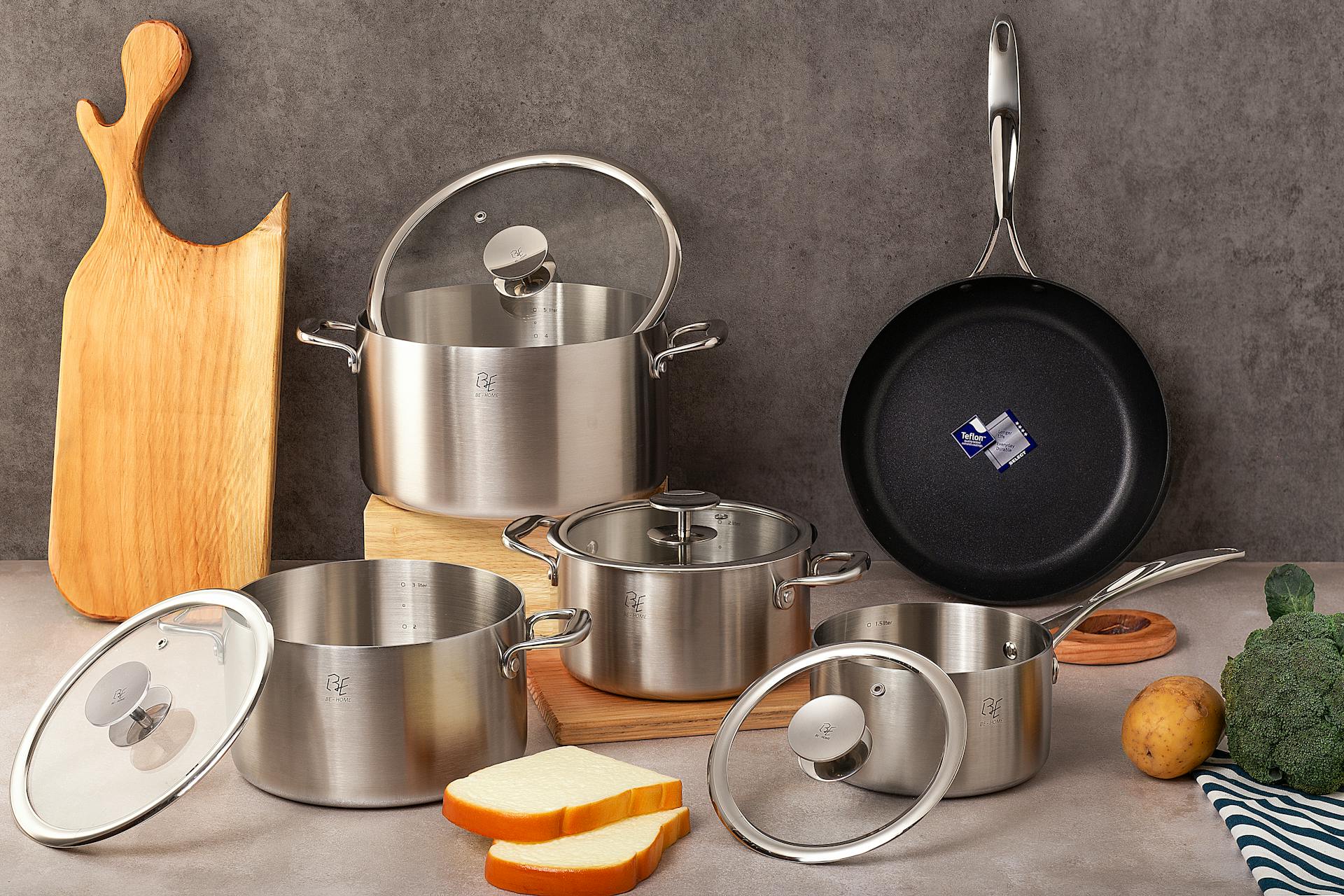
Most basic sets include a fry pan, kadai, and tawa. Buying too many pieces often leads to unused cookware.
Compatibility:
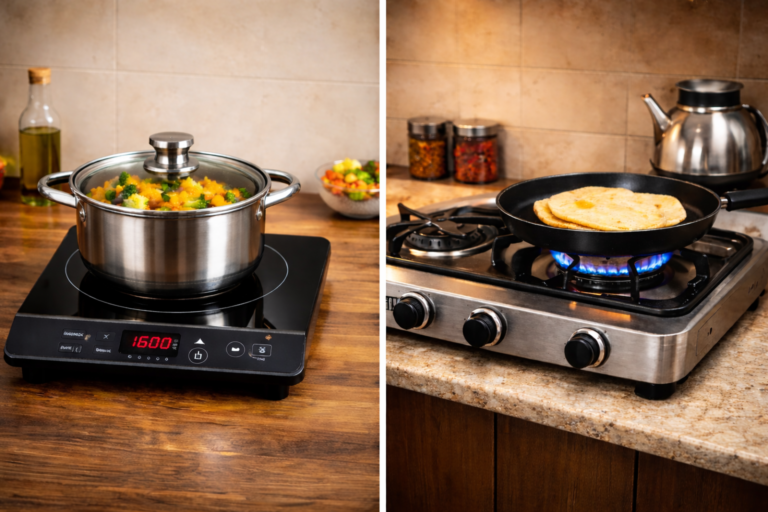
Check if the cookware is suitable for gas stove or induction. Poor base quality can cause uneven heating or warping.
Handle Quality:
Loose or poorly fixed handles are a common issue after regular use. Heat-resistant and firmly attached handles are safer.
Brand Trust:
Well-known brands may offer better finishing, but proper usage matters more than brand name for non-stick cookware life.
Non-Stick Cookware: What People Expect vs What Actually Happens
When people buy non-stick cookware, the expectations are usually very simple. Food should not stick. Cooking should need less oil. Cleaning should take very little time. These expectations come from ads, shopkeeper advice, and seeing smooth new pans in the store.
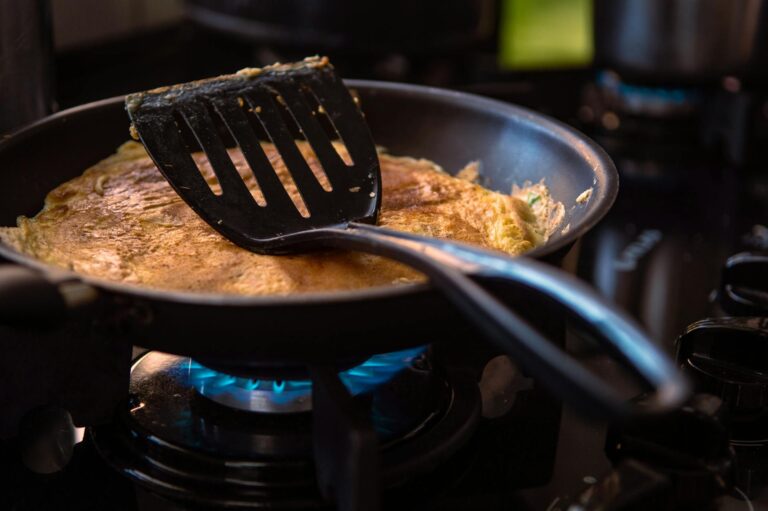
In the beginning, most of these expectations are met. The pan works well. Omelettes slide easily. Sabzi does not stick much. Washing the pan feels effortless. For the first few months, non-stick cookware often feels like a good decision.
But daily cooking slowly changes things.
In real Indian kitchens, cooking is not always gentle. Gas flame is often kept high. Cooking happens multiple times a day. Tadka, roasting, and masala frying are common. The same pan may be used by different family members, each with their own habits. Over time, these normal routines start affecting the non-stick surface.
The first change people notice is that food does not slide as smoothly as before. Oil is needed again. Then small sticking starts. The pan still works, but it does not feel the same. Many people feel confused at this stage because they have not changed anything consciously. From their side, cooking feels normal.
This is where expectation and reality differ.
Most people expect non-stick cookware to behave like steel or iron utensils that last for many years. In reality, non-stick coating is thin and sensitive. It performs best under controlled heat and lighter cooking. When used daily under pressure, it wears out faster, even if cleaning is done properly.
Another expectation is that higher price or popular brand will completely solve this problem. In practice, brand quality helps, but it cannot fully protect the coating from daily heat stress and frequent use.
Understanding this gap helps avoid disappointment. Non-stick cookware is not a lifetime utensil for heavy Indian cooking. It is a convenience tool that works well when its limits are respected. When expectations match reality, people are far more satisfied with their purchase.
Common Problems After 6–12 Months of Use in Indian Kitchens
Many users do not notice any issue during the first few months of using non-stick cookware. Cooking feels smooth, food does not stick much, and cleaning is easy. Problems usually appear slowly, after regular daily use. The pan still looks usable, but small changes start showing during cooking.
Common problems include:
• Coating losing smoothness
• Food starting to stick again
• Pan base bending slightly on gas stove
• Handles becoming loose over time
• Reduced performance despite careful cleaning
These issues are common in Indian kitchens due to higher cooking heat and frequent usage.
Those problems do not appear suddenly in one day. They build up because non-stick coating is thin and sensitive to heat. In Indian kitchens, cooking often happens on high flame, sometimes multiple times a day. The pan heats up quickly and cools down again and again, which slowly weakens the coating. Even careful users face this because daily cooking pressure is high.
This is also why experiences differ from home to home. In houses where cooking is lighter and flame is controlled, non-stick cookware lasts longer. In homes with frequent frying, tadka, and back-to-back cooking, the same pan may show wear much earlier. This does not always mean poor quality. It simply reflects how the cookware is used in real kitchen conditions. Knowing this helps set realistic expectations and avoids disappointment later.
Final Verdict
A non-stick cookware set can be helpful for light cooking and controlled usage, especially for beginners and small households.
However, it is not a long-term solution for heavy Indian cooking. High flame usage, rough handling, and daily frying reduce its lifespan significantly.
Choosing the right cookware depends more on cooking habits than brand or price. Understanding these limitations helps avoid disappointment later.