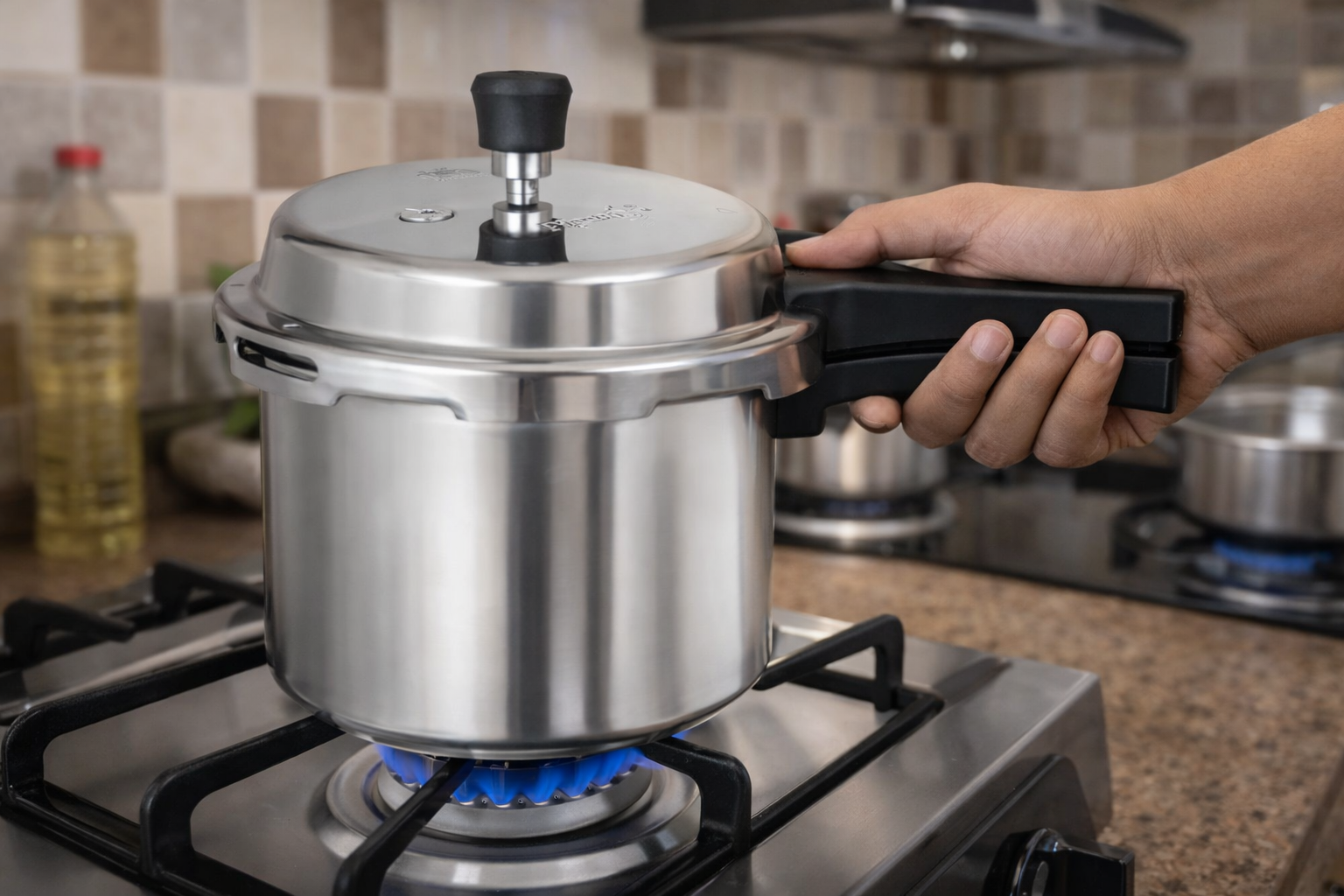
Pressure Cooker Maintenance Reality in Indian Kitchens
Real life problem most homes face
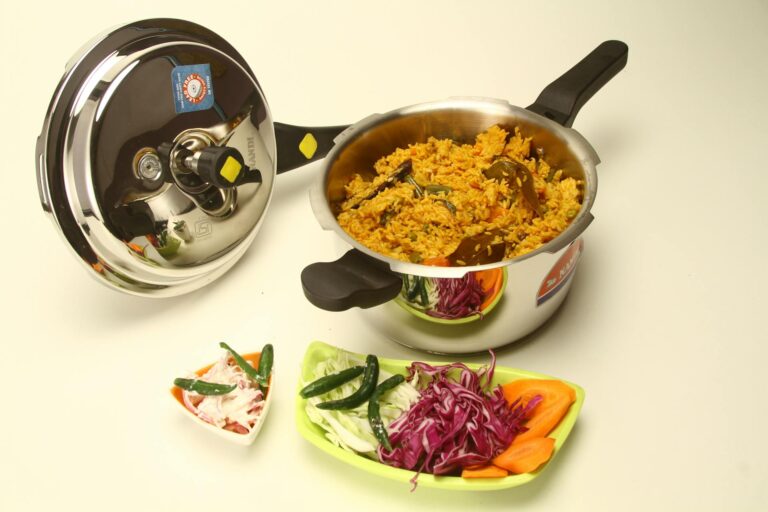
In most Indian homes, pressure cooker maintenance in Indian kitchens is often ignored because the cooker works silently every day.afternoon rice, evening sabzi, sometimes meat or biryani on weekends. It works quietly in the background, so no one really thinks about it.
The problem starts slowly.
One day the whistle comes late. Another day steam leaks from the side. Food starts sticking at the bottom. Cooking time increases. Gas usage goes up. Then people say, “Aaj kal ke pressure cooker ache nahi hote” or “Purane wale hi ache the”.
But in most cases, the cooker is not bad. The brand is not bad. The real issue is maintenance, or rather, no maintenance at all.
Pressure cookers in Indian kitchens work under heavy pressure every day. If small things are ignored, problems are bound to happen.
Why pressure cooker maintenance in Indian kitchens is ignored over time
Pressure cookers are simple tools. They work on heat, steam, and sealing. When these three are balanced, cooking is smooth. When one goes wrong, problems begin.
Indian cooking puts extra load on cookers.
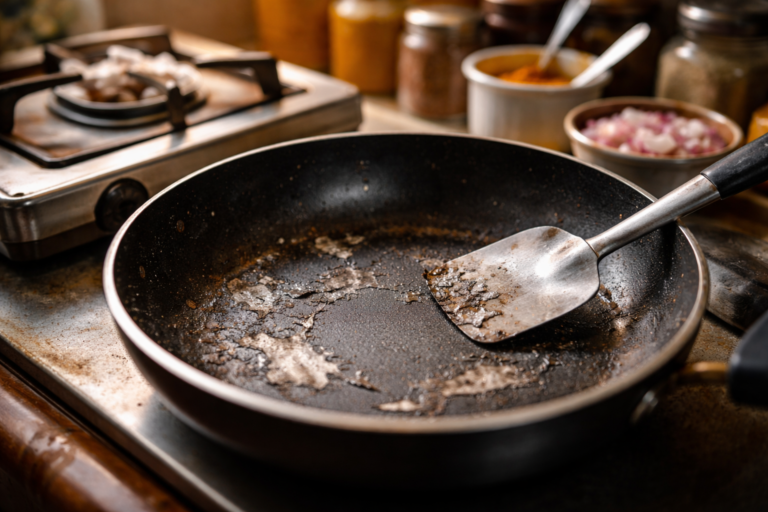
We often cook thick dal, rajma, chole, or gravies. These foods stick easily. Many times we keep the flame high to save time. Sometimes water is added by guess, not measurement. After cooking, the hot cooker is washed immediately under tap water.Each of these habits looks harmless. But over months and years, they damage the cooker slowly.
• High flame weakens the base.
• Thick food increases pressure.
• Less water causes burning.
• Rough cleaning damages the surface.
• Hot metal and cold water weaken the body and gasket.
This is why cookers that look fine from outside start behaving badly inside.Many people blame the cooker, but uneven flame from dirty gas stove burners also increases cooking time and pressure problems.
Common maintenance issues seen in Indian kitchens
In most homes, the same problems repeat again and again.
Steam starts leaking from the lid because the gasket has become hard or dry.
The whistle comes late because the vent is partially blocked or pressure is escaping.
Food burns at the bottom because the base has become thin or uneven.
The cooker does not sit flat on the stove because the base is bent.
The lid feels loose because locking parts are worn out.
None of these happen suddenly. They build up slowly when maintenance is ignored.If steam leaks from the lid, most of the time the issue is a worn-out pressure cooker gasket replacement, not the cooker itself.
Is using an old pressure cooker safe or risky
This is where most people get worried. They ask if an old pressure cooker is dangerous.
The answer is simple.
A pressure cooker is safe if it is in good condition.It becomes risky only when warning signs are ignored.Age alone does not decide safety. Condition does.
A well-maintained cooker that is ten years old can be safer than a poorly maintained cooker that is three years old.
Danger signs you should never ignore are steam leaking from the sides, whistle not lifting properly, lid not locking smoothly, cooker shaking on the stove, or cooking time becoming very long.
If these signs are present and still ignored, the cooker becomes unsafe. Otherwise, pressure cookers are designed to be safe for daily use.
What you should do at home in daily life
You do not need expert knowledge or service centers for basic pressure cooker care. Small daily habits are enough.
While cooking, always reduce the flame after the first whistle. Do not keep the flame high throughout. Always add enough water, especially for thick foods. Never overfill the cooker beyond the mark.
After cooking, let the cooker cool down naturally. Do not rush to wash it immediately. Clean the inside using a soft scrubber. Avoid steel scrubbers, especially for aluminium cookers.
Once a week, remove the gasket and wash it separately. Clean the vent hole properly so no food particles are stuck inside.
Once every month, check if the gasket is still soft and flexible. Check if the weight moves freely. See if the cooker base is still flat.
These simple steps can easily double the life of your pressure cooker.
When to stop using or replace a pressure cooker
Many people replace cookers too early, while some use them for too long.
• Do not replace a cooker just because it looks old. Replace it when safety or performance clearly drops.
• You should stop using the cooker if the base is bent, the lid does not lock properly, pressure release is uneven, cooking time has increased a lot, or cracks and deep dents are visible.
• If only the gasket is damaged or the weight is worn out, replace those parts instead of the whole cooker. These parts are cheap and easily available.
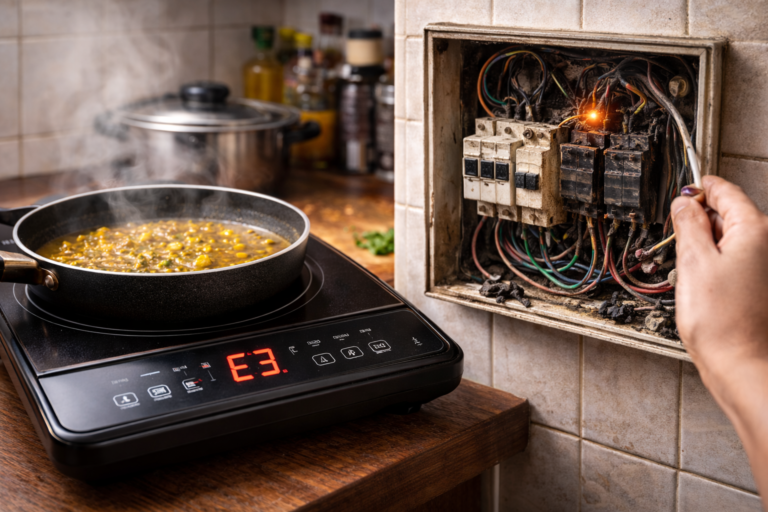
If you are using a pressure cooker on an induction cooktop, a warped or uneven base becomes unsafe very quickly.
In most Indian homes, aluminium pressure cookers last around five to eight years. Steel pressure cookers last around eight to twelve years. Actual life depends fully on usage and care.
Conclusion
Pressure cooker problems do not come suddenly ,it’s true but they build up slowly in Indian kitchens because of daily habits.
High heat, thick food, less water, rough cleaning, and ignoring small signs slowly damage the cooker. Most people blame the product, but the real reason is lack of care.
A pressure cooker does not need special treatment. It just needs basic attention.
If you use medium flame, clean it gently, change the gasket on time, and listen to warning signs, your cooker will stay safe and work properly for many years.
In Indian homes, the pressure cooker is not just another vessel. It is a daily helper. Taking care of it is not extra work. It is common sense.This is why proper pressure cooker maintenance in Indian kitchens matters more than brand or price.