Why Electric Tawa Stops Heating Even When Power Is On in Indian Kitchens
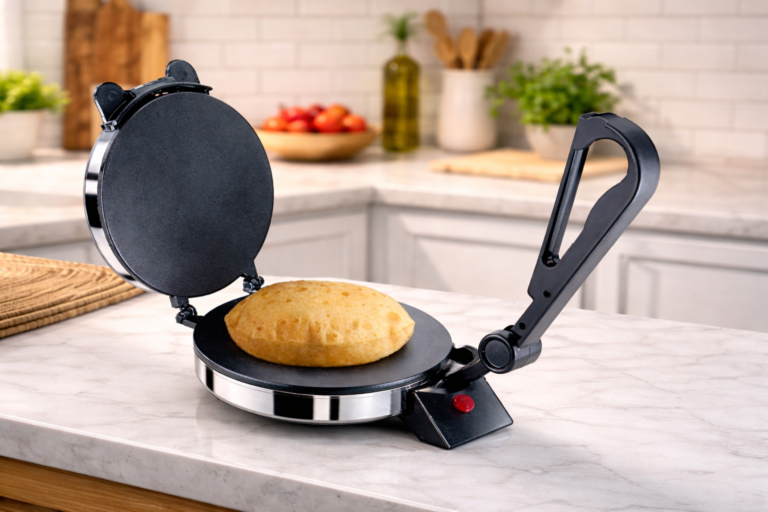
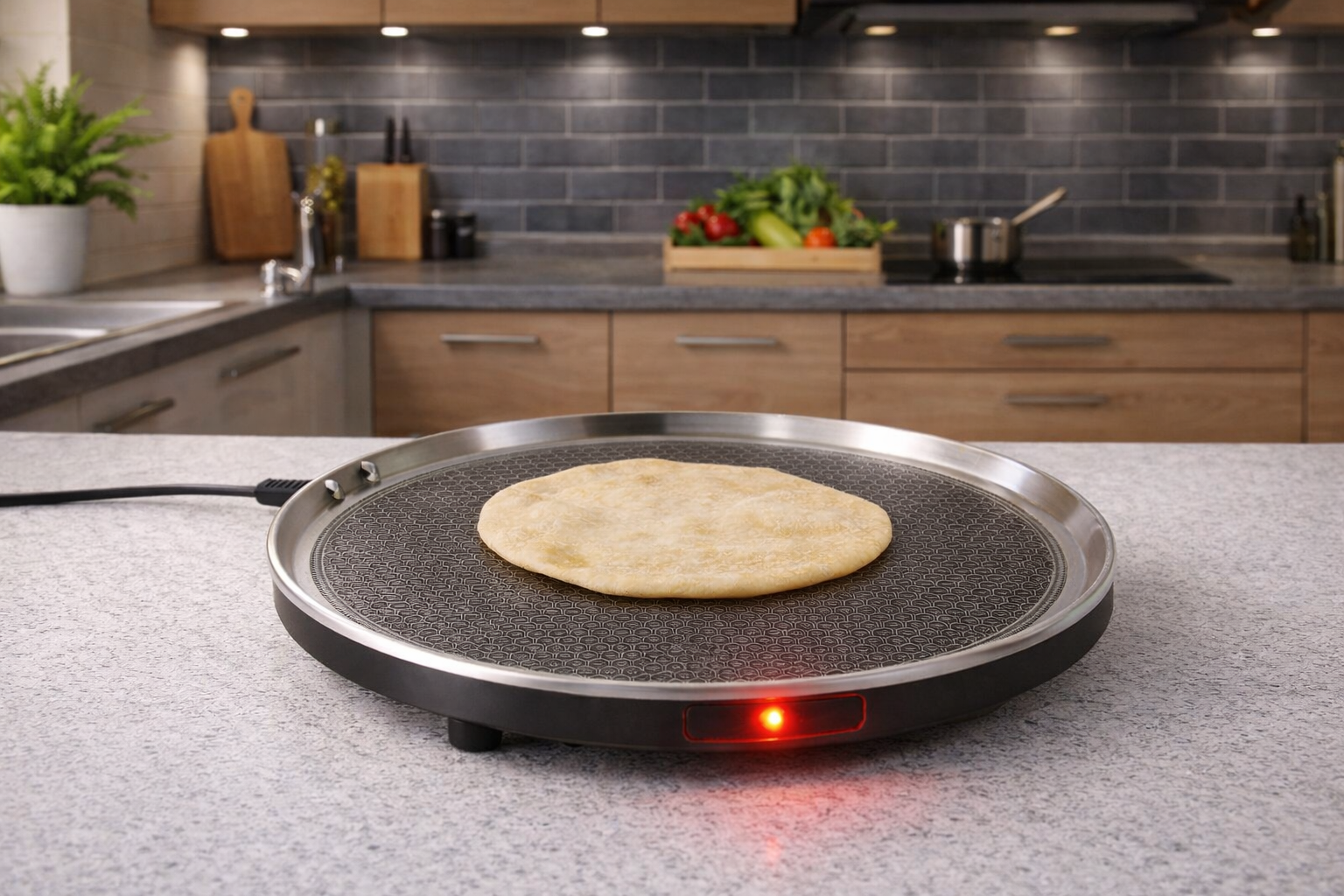
Electric tawa is often marketed as a simple replacement for gas cooking. Plug it in, turn the knob, and cook rotis, dosa, paratha, or omelette without worrying about flames or gas leakage. On paper, it looks like a stress-free appliance.Many users search for electric tawa not heating issues when the indicator light is on but the surface stays cold.
In reality, many Indian households face a confusing situation after a few months of use. The electric tawa turns on, the indicator light glows, but the surface does not heat properly. Sometimes it heats unevenly. Sometimes it heats once and then cools down suddenly. In some cases, it refuses to heat at all even though power is clearly reaching the unit.
What makes this problem frustrating is that nothing looks broken. The plug works. The socket works. The wire looks fine. Because of this, people often assume the tawa is defective or low quality.
The truth is different.
Electric tawa heating problems are rarely caused by a single fault. They develop slowly due to Indian cooking habits, electricity conditions, heat management design, and how the appliance is used daily. This article explains why electric tawa stops heating even when power is on, what changes internally over time, and how to understand whether the issue can be corrected or not.
How Electric Tawa Actually Generates Heat
Unlike gas stoves, electric tawa does not produce heat continuously. Inside the base, a heating coil converts electricity into heat. This coil is controlled by a thermostat that constantly switches power on and off to maintain temperature.
When the tawa reaches the selected temperature, the thermostat cuts power. As the surface cools slightly, power flows again. This on-off cycle happens repeatedly during cooking.
This system works well only when heat transfer is smooth, electrical flow is stable, and internal components remain intact. Any disturbance in these factors causes heating inconsistency, even though electricity is still entering the appliance.
Why Electric Tawa Works Fine Initially but Fails Later
Most electric tawas perform well for the first few months. During this period, internal components are new, insulation is intact, and thermal contact is strong.
Problems begin when the tawa is exposed to repeated high heat cooking without rest. Indian kitchens commonly use electric tawa for back to back cooking. Rotis are cooked continuously, dosa batter is poured without cooling gaps, and oil-based cooking keeps the surface temperature high for long durations.
This repeated thermal stress slowly weakens internal connections. The tawa still receives electricity, but the efficiency of heat generation drops over time.
Electric Tawa Not Heating When Indicator Light Is On
The indicator light only confirms that electricity has reached the control unit. It does not guarantee that heat is being produced effectively.
In many cases, the thermostat starts misreading temperature due to wear. It may cut power too early or fail to allow full current flow to the heating coil. As a result, the tawa appears switched on but remains barely warm.
A similar protective shutdown happens in induction cooktops when internal sensors detect unsafe conditions.
Voltage Fluctuation and Its Impact on Electric Tawa
Electric tawa is highly sensitive to voltage quality. In Indian homes, voltage is rarely stable throughout the day. Low voltage during peak hours reduces heating efficiency, while sudden spikes stress internal components.
Repeated voltage fluctuation causes uneven heating, delayed cooking, and premature thermostat failure. Over time, the tawa starts consuming electricity without delivering proper heat.
This behaviour closely mirrors how other electric cooking appliances behave under unstable power conditions.
Uneven Heating Across the Surface: Why It Happens
Uneven heating is one of the earliest warning signs of internal degradation. This does not usually indicate a broken coil. Instead, it results from heat insulation buildup and loss of uniform thermal contact.Oil vapour, food residue, and moisture slowly create a thin insulating layer between the heating plate and the tawa surface. This disrupts heat distribution, causing some areas to overheat while others remain undercooked.
Why Electric Tawa Suffers More Than Gas Stove
Gas stoves provide visual feedback. A yellow flame immediately signals a problem.Electric tawa offers no such warning. Heating efficiency drops silently until cooking quality becomes unacceptable. This delayed feedback causes users to continue using a deteriorating appliance, accelerating damage.
Cleaning Habits That Damage Electric Tawa Internally
Many users unintentionally worsen heating problems through cleaning habits. Washing the underside, wiping the base while hot, or allowing water to seep inside causes corrosion of internal connectors.
Once moisture affects thermostat contacts, heating becomes unpredictable and irreversible in many cases.
Can Electric Tawa Be Repaired or Should It Be Replaced
Minor thermostat issues can sometimes be repaired. However, heating coil damage or insulation breakdown is usually not economical to fix.
If the tawa stops heating consistently even after cooling and stable voltage, replacement is the safer long-term decision.
How to Extend the Life of an Electric Tawa
Allow cooling gaps between cooking cycles. Avoid continuous maximum heat. Never wash the base. Use stable wall sockets instead of extension boards. These small changes significantly slow internal wear.
Is Electric Tawa Suitable for Indian Daily Cooking
Electric tawa works best for controlled, moderate cooking. It is suitable for light usage but struggles with heavy, continuous Indian cooking patterns unless used carefully.
Understanding its limitations helps prevent disappointment and unnecessary replacements.
Choosing the Right Electric Tawa for Indian Cooking Conditions
Not all electric tawas are built for Indian kitchens, even if they look similar from the outside. The biggest difference lies in how the heating plate is bonded to the surface and how the thermostat is calibrated.
Many budget electric tawas are designed for light international usage, where cooking happens in short sessions and voltage supply is stable. In Indian homes, the same appliance is expected to handle thick dosa batter, repeated roti cooking, oil-heavy recipes, and long heating cycles without rest.
A well-designed electric tawa should have a thicker heating plate, tighter surface bonding, and a thermostat that allows gradual heat cycling instead of aggressive cut-offs. Without these, the appliance may technically “work” but fail to cook evenly after a few months.
This is why price alone is a poor decision factor. Understanding internal design matters more than brand popularity or discounts.
Electric Tawa Features That Actually Matter Before Buying
If you’re considering replacing an electric tawa that no longer heats properly, focus on usage compatibility instead of specifications printed on the box.
Look for a tawa that offers stable temperature control rather than extreme maximum heat. A slightly slower but consistent heating surface performs better for daily Indian cooking than one that overheats quickly and shuts down.
A detachable temperature controller is another important factor. It not only improves safety but also reduces internal heat stress by allowing better power regulation. Appliances with poor controllers are more likely to suffer early thermostat failure.
Surface coating quality also affects long-term heating. Inferior non-stick coatings degrade faster, leading to uneven heat transfer and higher power consumption over time.
Why Many Electric Tawa Reviews Don’t Match Real Usage
Online reviews often reflect first week impressions. During this phase, almost every electric tawa performs well. Problems emerge after repeated heating cycles, voltage exposure, and surface wear.
This creates a gap between review ratings and real household experience. A product with thousands of positive reviews may still fail under Indian daily cooking stress.
The smarter approach is to judge an electric tawa based on how it behaves after six months, not six days. Heating consistency, thermostat stability, and surface performance over time matter far more than initial speed or appearance.
Understanding the Limitation Prevents Repeat Mistakes
Electric tawa is not a flawed appliance by default. It simply operates under assumptions that don’t always match Indian kitchen reality.
When users understand how heating cycles, voltage, and cooking habits interact, they can either adapt usage or choose a better-suited appliance next time. This awareness prevents repeated replacements, unnecessary repairs, and wasted money.
Cooking tools should reduce stress, not add confusion. Matching appliance design with real usage is the key difference between satisfaction and regret.