Pressure Cooker Safety for Indian Kitchens: 7 Common Mistakes You Must Avoid
Pressure cookers are one of the most essential cooking tools in Indian households. From dal and rice to vegetables and curries, millions of families use pressure cookers daily to save time and fuel.
However, pressure cooker accidents are also common in Indian kitchens due to improper usage, lack of maintenance, or using low-quality cookware. Incidents like lid bursting, steam leakage, and valve failure can cause serious injuries if basic safety rules are ignored.
In this guide, you will learn why pressure cooker safety is important, the most common mistakes Indian users make, and simple safety tips to use a pressure cooker confidently for daily cooking.
⚠️ Important: Most pressure cooker accidents in India happen due to overfilling, damaged gaskets, or blocked safety valves — not because the cooker is defective.
Why Pressure Cooker Safety Matters in Indian Kitchens
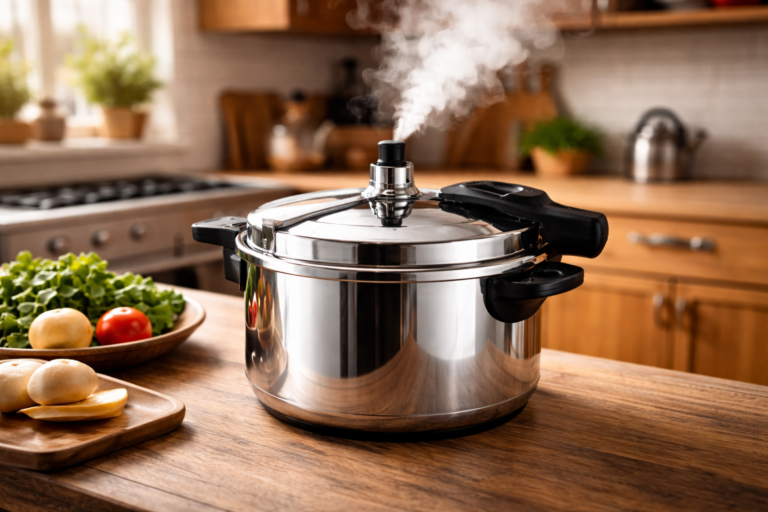
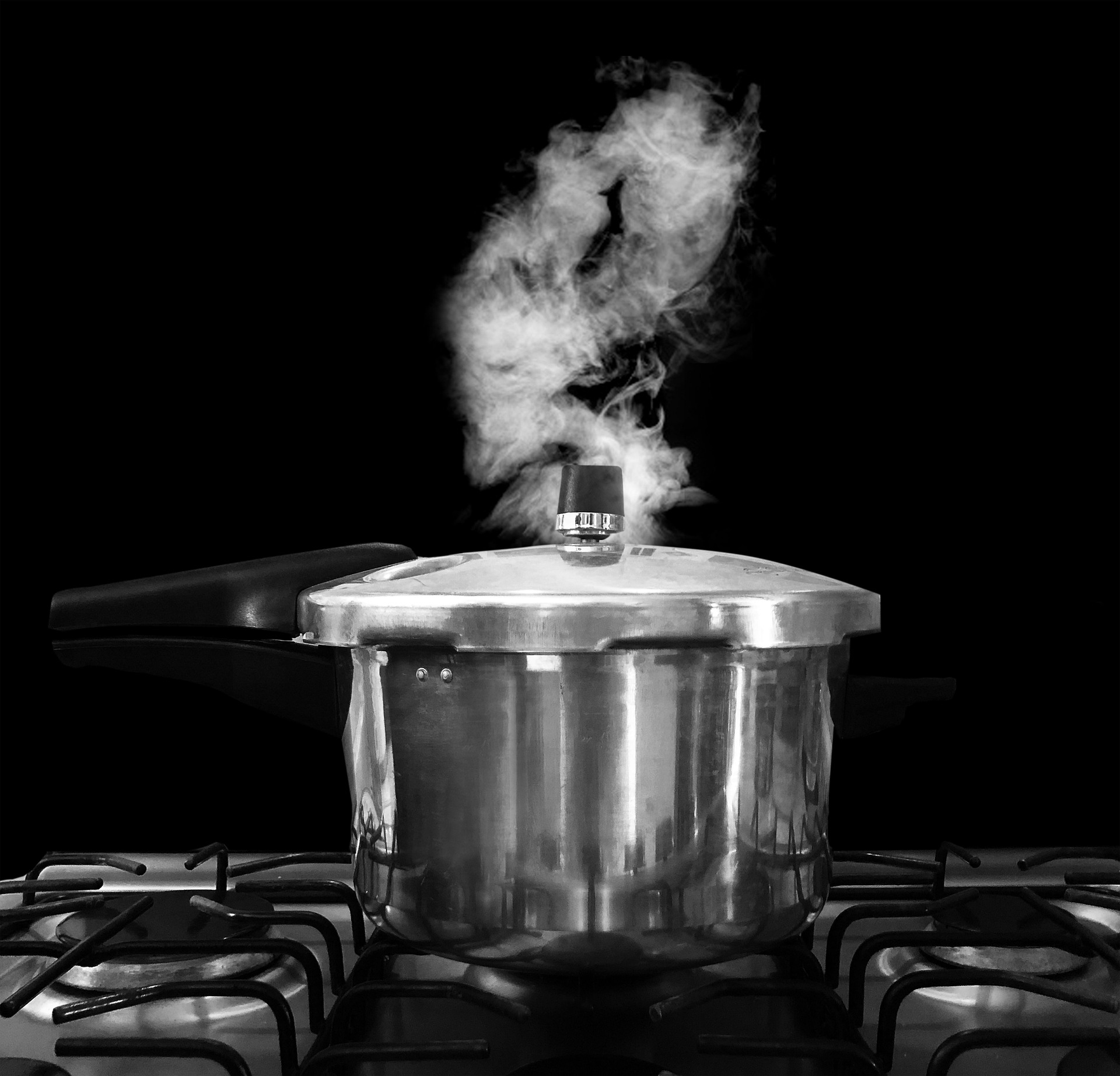
Pressure cookers work by trapping steam inside a sealed container, which increases pressure and raises the boiling point of water. This allows food to cook faster but also means improper handling can be dangerous.
In Indian cooking, pressure cookers are often used for thick dals, rice, curries, and legumes. These foods can foam or expand during cooking, increasing the risk of clogged vents or excess pressure buildup.
Following proper safety practices not only prevents accidents but also extends the life of your pressure cooker and ensures consistent cooking results every day.
7 Common Pressure Cooker Mistakes Indian Users Make
Many pressure cooker accidents happen due to simple mistakes that can be easily avoided.
1. Overfilling the cooker beyond the recommended level
2. Using damaged or hardened rubber gaskets
3. Blocking the steam vent with food residue
4. Opening the lid forcefully before pressure releases
5. Ignoring unusual steam leakage or whistling sounds
6. Using very old or incompatible cooker lids
7. Skipping regular cleaning and maintenance
Being aware of these mistakes helps you use a pressure cooker safely and confidently for daily Indian cooking.
How to Use a Pressure Cooker Safely Every Day
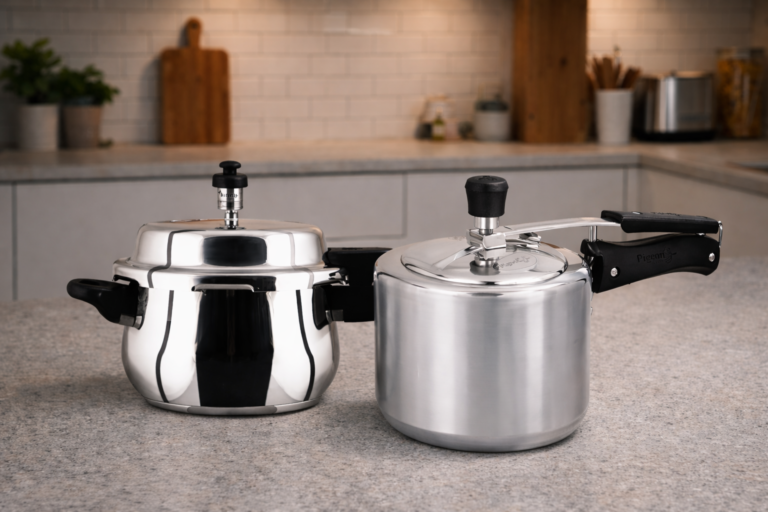
Always check the gasket, safety valve, and vent pipe before placing the cooker on the stove. Make sure there are no food particles blocking the steam outlet.
Never fill the pressure cooker more than two-thirds full, and reduce it to half for foods like dal, rice, or beans that expand during cooking.
After switching off the heat, allow the pressure to release naturally whenever possible. Avoid forcing the lid open, as trapped pressure can cause burns or spills.
When Should You Replace Pressure Cooker Parts?
The rubber gasket is one of the most important safety components of a pressure cooker. If it becomes loose, cracked, or hardened, it should be replaced immediately.
Safety valves and vent weights should also be checked regularly. If steam does not escape smoothly or the cooker behaves unusually, stop using it until the issue is fixed.
Replacing small parts on time is much cheaper and safer than buying a new cooker or risking an accident.
Who Should Be Extra Careful While Using a Pressure Cooker?
First-time users, elderly people, and households where children are present should follow extra caution while using pressure cookers.
If you are new to pressure cooking, start with simple recipes and follow the manufacturer’s instructions carefully. Avoid multitasking during pressure cooking to prevent overheating or neglect.
Keeping children away from the kitchen during pressure cooking further reduces the risk of accidents.
FAQs About Pressure Cooker Safety
Q1. Is it safe to use a pressure cooker daily?
Yes, pressure cookers are safe for daily use if maintained properly and used according to safety guidelines.
Q2. What causes pressure cooker explosions?
Most accidents happen due to blocked vents, overfilling, or damaged gaskets—not because of the cooker itself.
Q3. Can I wash a pressure cooker lid in a dishwasher?
It is better to wash the lid by hand to protect the gasket and safety valve.
What Matters Most
Pressure cookers are safe, efficient, and essential tools for Indian kitchens when used correctly. Most accidents can be avoided by following basic safety rules, regular maintenance, and mindful cooking habits.
By understanding common mistakes and applying simple safety practices, you can enjoy faster cooking, lower gas consumption, and peace of mind while preparing daily meals.