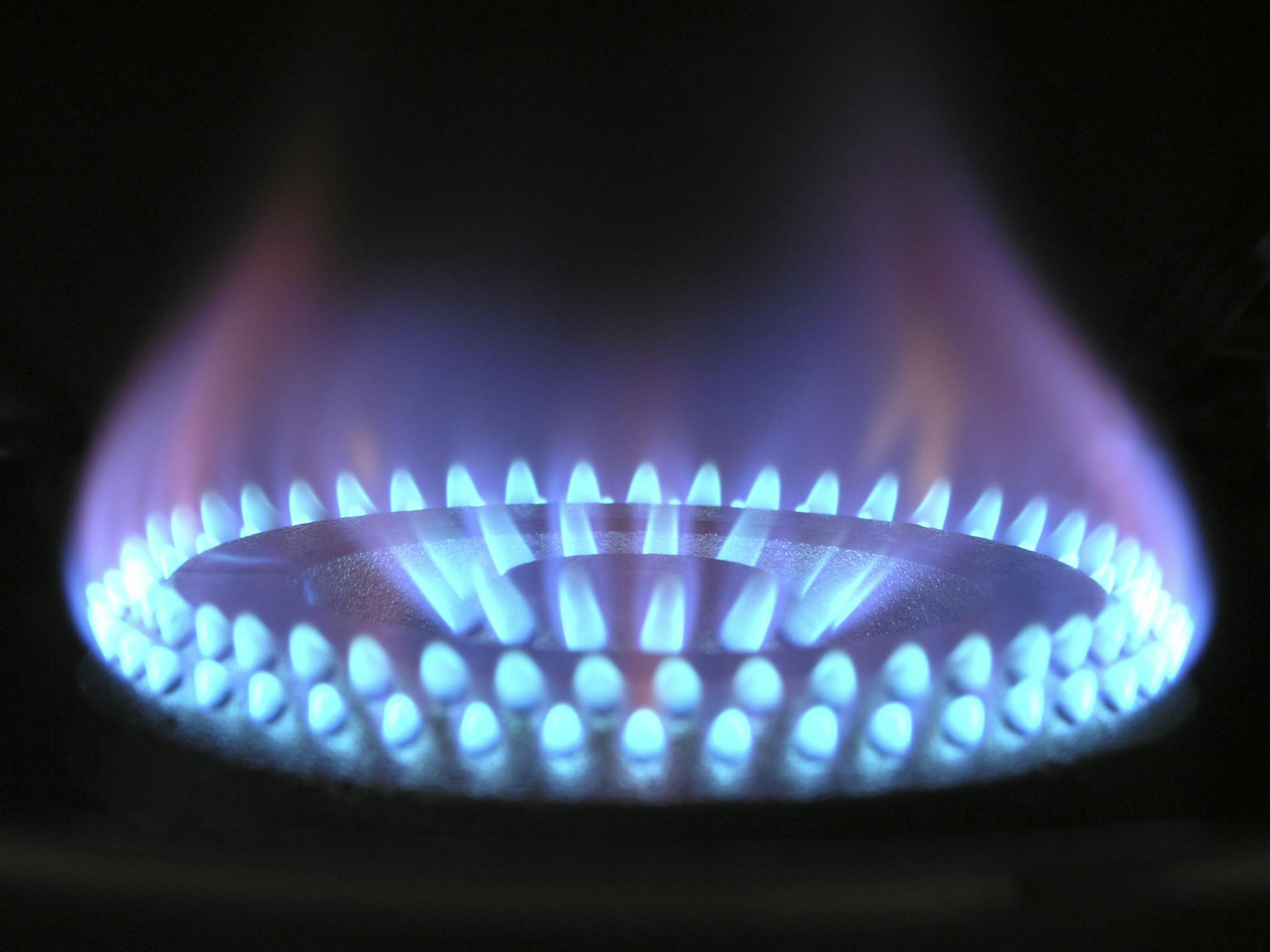
Gas Stove Flame Color Meaning (Blue vs Yellow Flame)
Many people notice a change in their gas stove flame color but are unsure what it actually means. While a blue flame is considered normal, a yellow or orange flame often raises concerns about safety and gas efficiency.
Understanding gas stove flame color meaning is important for Indian households because it affects cooking performance, fuel consumption, and safety. In this guide, we explain what blue and yellow gas stove flames mean, why the flame color changes, and what actions you should take to keep your kitchen safe.
What Does a Blue Flame on a Gas Stove Mean?
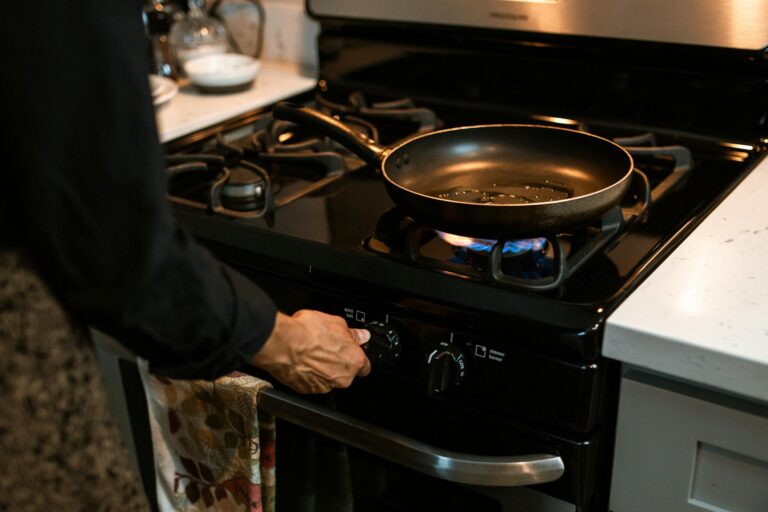
A blue flame on a gas stove indicates complete combustion of the gas. This means the gas is mixing properly with oxygen before burning, producing maximum heat with minimum waste.
When your gas stove flame is blue, it shows that the burner is working efficiently and safely. Blue flames also produce less soot, which helps keep utensils clean and prevents black marks on cookware.
For Indian kitchens, a steady blue flame is ideal because it ensures faster cooking, better fuel efficiency, and safer operation.
What Does a Yellow or Orange Flame Mean?
A yellow or orange flame on a gas stove usually indicates incomplete combustion. This happens when the gas does not get enough oxygen while burning.
When combustion is incomplete, the flame turns yellow and produces soot. This soot often settles on utensils, making them black at the bottom. A yellow flame also means lower heat output and higher gas consumption.
In many cases, a yellow flame is a sign that the burner needs cleaning or servicing.
Is Yellow Flame on Gas Stove Dangerous?
Yes, a yellow flame on a gas stove can be dangerous if ignored for a long time. Incomplete combustion may produce harmful gases such as carbon monoxide, which can be dangerous in closed kitchen spaces.
Although occasional yellow flame may not cause immediate harm, continuous yellow or orange flame should be treated as a warning sign. Poor ventilation and prolonged exposure can increase health risks.
For safety reasons, Indian households should address yellow flame issues as soon as they are noticed.
Common Reasons for Yellow Flame in Gas Stove
There are several common reasons why a gas stove flame turns yellow instead of blue.
One of the most common causes is a dirty burner. Food spills, grease, and dust can block burner holes and disturb the air-to-gas ratio. Another reason is poor ventilation in the kitchen, which limits oxygen supply.
Incorrect gas pressure, faulty regulators, or damaged burners can also cause yellow flames. In some cases, moisture or rust inside the burner affects proper combustion.
How to Fix Yellow Flame on Gas Stove
Fixing a yellow flame on a gas stove is often simple. The best way is just start by cleaning the burner thoroughly using warm water and a soft brush to remove grease and debris. Ensure the burner holes are not blocked.
Check that the burner is placed correctly after cleaning. Make sure your kitchen has proper ventilation so that enough oxygen is available for combustion.
If the problem continues even after cleaning, it is best to call an authorized gas stove technician to inspect the regulator, burner, or gas supply system.
When Should You Replace or Service Your Gas Stove?
If your gas stove continues to show a yellow flame despite cleaning and proper ventilation, servicing may be required. Regular servicing helps maintain safety and efficiency.
You should consider replacing or servicing your gas stove if it is very old, damaged, or frequently causes flame issues. Loose burners, gas smell, or uneven flames are also signs that professional attention is needed.
If your stove is very old or frequently shows yellow flame issues, upgrading to a new gas stove with better burner design can improve safety and efficiency.
Timely maintenance not only improves safety but also reduces gas wastage and improves cooking performance.
FAQs
Q1. Is a blue flame always safe?
Yes, a steady blue flame usually indicates safe and efficient gas combustion.
Q2. Why does my gas stove flame turn yellow suddenly?
Sudden yellow flame is often caused by dirt, blocked burner holes, or lack of oxygen.
Q3. Can yellow flame increase gas consumption?
Yes, yellow flames produce less heat and waste more gas compared to blue flames.
Q4. Should I stop using the stove if the flame is yellow?
If the yellow flame persists, it is better to stop using the stove and fix the issue.
Q5. Does yellow flame damage utensils?
Yes, yellow flames produce soot that can blacken and damage cookware.
Final Verdict
Gas stove flame color is an important indicator of safety and efficiency in Indian kitchens. A blue flame means your stove is working properly, while a yellow or orange flame signals a problem that should not be ignored.
Most yellow flame issues can be fixed with proper cleaning and ventilation. However, if the problem persists, professional servicing is recommended. Paying attention to flame color helps ensure safer cooking, better fuel efficiency, and longer life of your gas stove.