Is Non Stick Pan Safe for Daily Cooking in India?
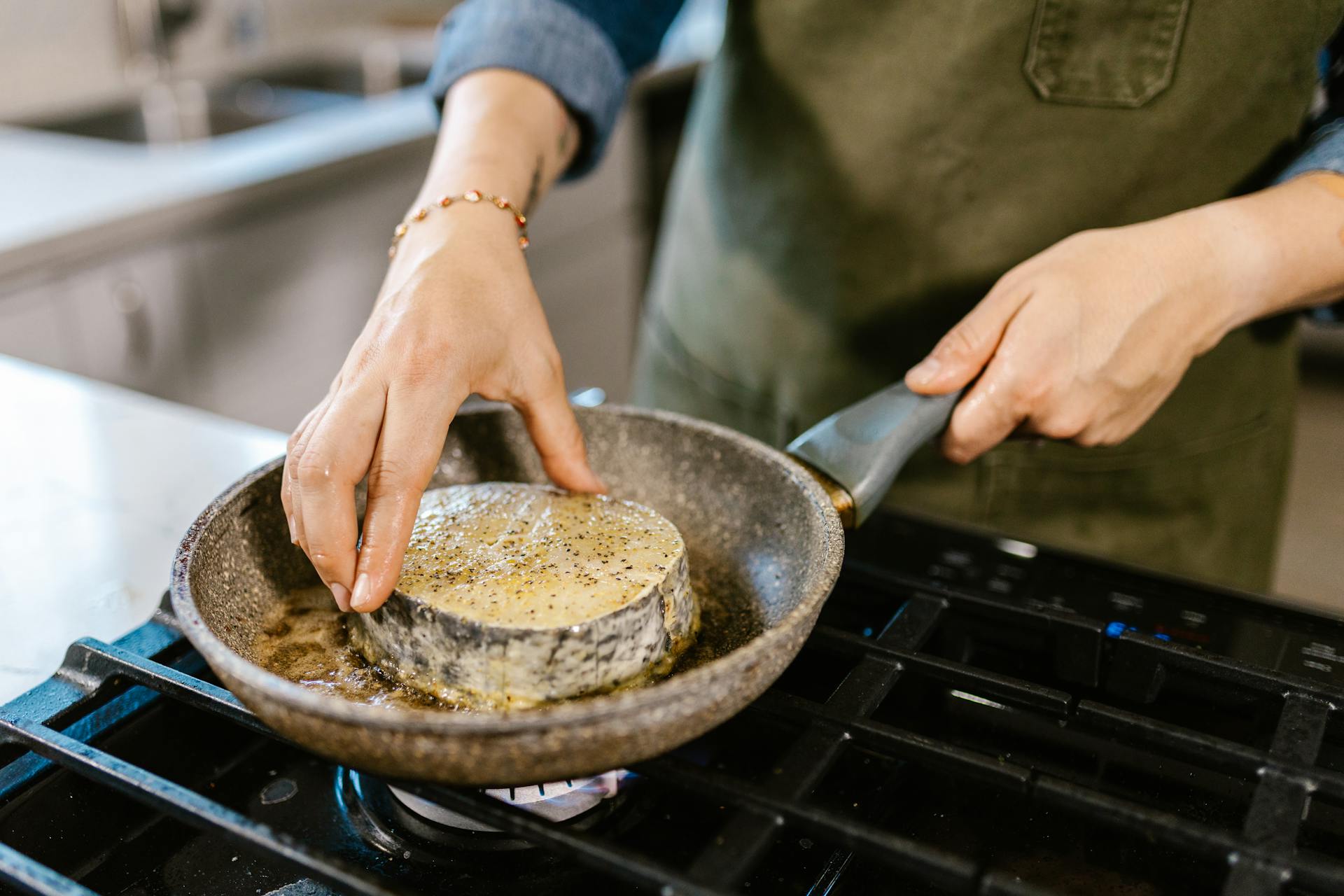
Non stick pans are widely used in Indian kitchens because they make cooking easier and require less oil. From frying eggs to cooking vegetables, many people in India use non stick cookware for daily Cooking.
However, there is a common question among Indian home cooks that is non stick pan safe for daily cooking? With so many health concerns, chemical coating discussions, and mixed opinions online, it becomes important to understand the truth before using non stick pans regularly.
In this article, we will clearly explain whether non stick pans are safe for daily cooking in India, what risks exist, and how you can use them safely without harming your health.
What Is a Non Stick Pan Made Of ?
Most non-stick pans used in Indian kitchens are quite simple in structure. At the core, they usually have an aluminium base. Aluminium is used because it heats up quickly and spreads heat reasonably well, which helps food cook faster on gas stoves.
On top of this aluminium base, a non-stick coating is applied. The most common coating is PTFE, which many people know by the name Teflon. This coating creates a smooth surface so food does not stick easily and less oil is needed during cooking.
These days, almost all branded non-stick pans sold in India are PFOA-free. PFOA was a chemical used in older manufacturing processes, but it is no longer used by reputable brands. This is why modern non-stick cookware, when used properly, is considered safe for regular home cooking.
The important thing to understand is that the safety and performance of a non-stick pan depend less on the material itself and more on how the pan is used in daily cooking.
Is Non Stick Coating Safe for Daily Cooking ?
For most Indian homes, non-stick coating is safe for daily cooking when used the right way. Modern non-stick pans sold by known brands in India follow safety standards and are designed for regular household use, not industrial cooking.
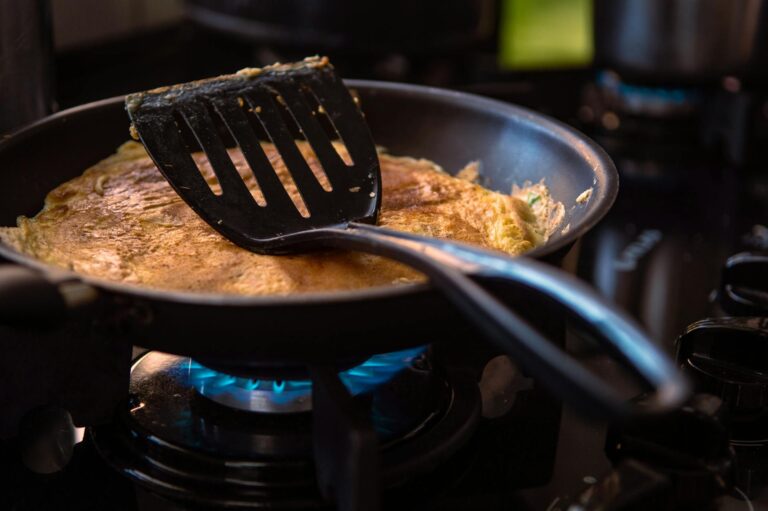
In normal conditions, cooking on low to medium flame, the coating remains stable and does not mix with food. This is how non-stick pans are meant to be used. Simple dishes like eggs, omelettes, light sabzi, dosa batter spreading, or reheating leftovers fall well within safe limits.
Problems usually begin with overheating. Many people treat non-stick pans like steel or iron cookware and keep them empty on high flame. This is where mistakes happen. High heat can weaken the coating over time and reduce both safety and performance.
Another common issue is scratching. Using metal spoons, forks, or aggressive scrubbers slowly damages the surface. Once the coating is deeply scratched or starts peeling, the pan should no longer be used for daily cooking.
When basic care is followed, non-stick pans remain safe and convenient. Most safety concerns are linked to misuse rather than the material itself.
Health Risks of Non Stick Pans (What You Should Know)
Health concerns around non-stick pans often sound more frightening than they actually are. In most cases, the risks come not from the pan itself, but from how it is used in daily cooking.
One of the main issues is overheating. Non-stick pans are not designed to handle very high temperatures for long periods. When a non-stick pan is heated empty on high flame, especially on gas stoves common in Indian kitchens, the coating can break down and release fumes. These fumes are unpleasant and should not be inhaled. This situation usually happens by accident, like leaving an empty pan on the stove while multitasking.
Another common concern is using a damaged or peeling pan. Over time, if the coating becomes deeply scratched, starts flaking, or visibly peels off, the pan should be replaced. Continuing to use such cookware does not make sense, especially when budget non-stick pans are easily available. A worn-out pan also performs poorly, making cooking frustrating.
Many people worry about chemicals, but it’s important to know that most modern non-stick pans sold in India are PFOA-free. This means older manufacturing chemicals are no longer used by reputable brands. When used under normal cooking conditions, these pans are considered safe for regular household use.
In Indian cooking, another hidden issue is rough handling. Using metal spoons, forks, or steel scrubbers slowly damages the coating. These habits don’t cause immediate harm, but they reduce the life of the pan and increase the chances of coating damage.
The key thing to remember is that non-stick cookware is not meant to last forever. Even good-quality pans have a limited lifespan. Replacing them after a few years of regular use is a normal and responsible practice.
To keep health risks low:
• Avoid very high flame cooking
• Never heat the pan empty for long
• Stop using the pan once the coating peels
• Handle it gently during cooking and cleaning
Used with basic care, non-stick pans remain a safe and convenient option for everyday cooking in Indian homes.
How to Use a Non Stick Pan Safely in India
Let’s be honest. Most problems with non-stick pans don’t happen because the pan is bad. They happen because we use it the same way we use steel or iron.
In Indian kitchens, the gas flame is usually strong. If you keep that flame high under a non-stick pan, the coating slowly gets tired. You may not notice it in the first few weeks, but after some time, food starts sticking and people blame the pan. In reality, it’s the heat.
A simple rule that actually works: if the flame is bigger than the base of the pan, turn it down.
Another common habit is heating the pan empty. Many of us put the pan on the stove and then start chopping or get distracted. Even a minute or two of empty heating on high flame can damage the coating. If you add a little oil or food before switching on the gas, you avoid this problem completely.
Utensils also matter more than we think. Metal spoons feel convenient, but they quietly scratch the surface every day. Wooden, silicone, or nylon spatulas may look boring, but they keep the pan usable for much longer.
After cooking, let the pan cool on its own. Throwing hot pans under cold water weakens the coating over time. A soft sponge and normal dish wash liquid are more than enough. If something sticks badly, soaking works better than scrubbing.
When Should You Stop Using a Non Stick Pan ?
This part is important, and many people ignore it.
A non-stick pan is not meant to be used forever. If the coating starts peeling, flaking, or cracking, that pan has done its job. It’s time to let it go.
Another clear sign is when food starts sticking even though you’re using oil and keeping the flame low. That usually means the coating is worn out, not that you’re cooking wrong.
Continuing to use a damaged non-stick pan doesn’t save money. It only makes cooking irritating and defeats the whole reason you bought it in the first place.
In Indian homes, replacing a non-stick pan every few years is normal. Think of it like a convenience tool. When it stops being convenient, it’s okay to replace it.
Used the right way and replaced at the right time, non-stick pans stay helpful instead of becoming a problem.
Non Stick Pan vs Stainless Steel: Which Is Safer ?
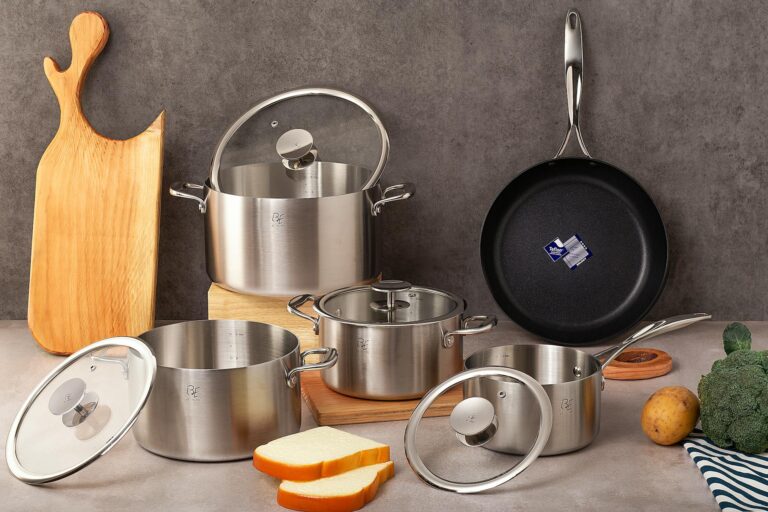
Both non stick and stainless steel cookware are safe when used properly. Non stick pans are easier to use and require less oil, making them suitable for everyday cooking.
Stainless steel cookware is more durable and can handle high heat, but it requires more oil and cooking skill. For beginners and daily convenience, non stick pans are a practical choice, while stainless steel is better for high-heat cooking.
FAQs
Q1. Is it safe to use a non-stick pan every day in Indian homes?
Yes, using a non-stick pan every day is generally safe for most Indian households when it is used properly. The key is heat control and basic care. Cooking on low to medium flame, adding some oil before heating, and avoiding metal utensils keeps the coating stable.
Most daily cooking tasks like eggs, omelettes, light sabzi, dosa spreading, or reheating food fall well within safe limits. Problems usually start only when the pan is overheated or treated like steel cookware. Used sensibly, non-stick pans are safe for regular home cooking.
Q2. Do non-stick pans cause cancer?
This is one of the most common fears online. There is no confirmed scientific evidence that properly used, modern PFOA-free non-stick pans cause cancer.
Most panic comes from old studies, outdated manufacturing methods, or misinformation shared without context. Today, reputed brands in India no longer use PFOA. Health concerns are mostly linked to misuse, such as heating the pan empty on very high flame or continuing to use a badly damaged coating.
In normal cooking conditions, non-stick pans are considered safe.
Q3. Is PFOA-free non-stick cookware really safer?
Yes. PFOA-free non-stick pans are considered safer and are now the standard for branded cookware sold in India. PFOA was used in older manufacturing processes, but it is no longer used by reputable brands.
When you see “PFOA-free” mentioned, it means the pan meets modern safety expectations for everyday household use. Still, safety also depends on how the pan is handled during cooking and cleaning.
Q4. What happens if the non-stick coating gets scratched?
Minor surface marks are common with regular use and are not immediately dangerous. However, deep scratches, peeling, or flaking are signs that the pan has reached the end of its life.
Once food starts sticking even after proper cleaning, or the coating visibly comes off, it’s best to stop using the pan and replace it. Non-stick cookware is not meant to last forever.
Q5. Which is safer: non-stick or stainless steel cookware?
Both are safe when used correctly. Non-stick pans are easier to use, require less oil, and are better for beginners and everyday convenience. Stainless steel is more durable and handles high heat better, but it needs more oil and cooking skill.
In most Indian kitchens, a mix of both works best.
Non stick pans are safe for daily cooking in India when used correctly. Choosing a good quality, PFOA-free pan and following proper cooking practices ensures safe and healthy meals. For everyday home cooking, non stick cookware remains a convenient and reliable option.